

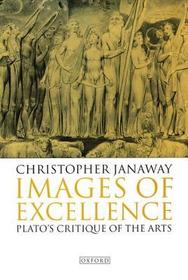
Images of Excellence
Plato's Critique of the Arts
-
10% KEDVEZMÉNY?
- A kedvezmény csak az 'Értesítés a kedvenc témákról' hírlevelünk címzettjeinek rendeléseire érvényes.
- Kiadói listaár GBP 66.00
-
29 799 Ft (28 380 Ft + 5% áfa)
Az ár azért becsült, mert a rendelés pillanatában nem lehet pontosan tudni, hogy a beérkezéskor milyen lesz a forint árfolyama az adott termék eredeti devizájához képest. Ha a forint romlana, kissé többet, ha javulna, kissé kevesebbet kell majd fizetnie.
- Kedvezmény(ek) 10% (cc. 2 980 Ft off)
- Kedvezményes ár 26 819 Ft (25 542 Ft + 5% áfa)
Iratkozzon fel most és részesüljön kedvezőbb árainkból!
Feliratkozom
29 799 Ft

Beszerezhetőség
Megrendelésre a kiadó utánnyomja a könyvet. Rendelhető, de a szokásosnál kicsit lassabban érkezik meg.
Why don't you give exact delivery time?
A beszerzés időigényét az eddigi tapasztalatokra alapozva adjuk meg. Azért becsült, mert a terméket külföldről hozzuk be, így a kiadó kiszolgálásának pillanatnyi gyorsaságától is függ. A megadottnál gyorsabb és lassabb szállítás is elképzelhető, de mindent megteszünk, hogy Ön a lehető leghamarabb jusson hozzá a termékhez.
A termék adatai:
- Kiadó Clarendon Press
- Megjelenés dátuma 1995. május 25.
- ISBN 9780198240075
- Kötéstípus Keménykötés
- Terjedelem236 oldal
- Méret 224x145x19 mm
- Súly 427 g
- Nyelv angol
- Illusztrációk 2 diagrams 0
Kategóriák
Rövid leírás:
Western aesthetics and art theory begin with Plato; this book aims to offer an understanding of his criticisms of the arts in the context of his own philosophy, and to locate him in today's philosophy of art. Christopher Janaway provides an accessible and illuminating discussion of such issues as beauty, emotion, ethical knowledge, artistic autonomy, and censorship.
TöbbHosszú leírás:
Plato was the first great figure in Western philosophy to assess the value of the arts; he famously argued in the Republic that traditionally accepted forms of poetry, drama, and music are unsound, claiming they are conducive to warped ethical standards, detrimental to the psyche, and purveyors of illusions about important matters in human life. This view has been widely rejected; but Christopher Janaway here argues that Plato's hostile case is a more coherent and profound challenge to the arts than has sometimes been supposed.
Denying that Plato advocates `good art' in any modern sense, Dr Janaway seeks both to understand Plato's critique in the context of his own philosophy and to locate him in today's philosophy of art, showing how issues in aesthetics arise from responses to his charges. Plato's questions about beauty, emotion, representation, ethical knowledge, artistic autonomy, and censorship are of contemporary relevance as formerly secure assumptions about the value of art and the aesthetic come under scrutiny.
Images of Excellence gives a new and original view of a famous issue in the history of philosophy; it is written not only for readers working in ancient philosophy, but for all who are interested in aesthetics, art theory, and literary theory.
This book is well argued and well researched, providing a cohesive, readable, thorough, and convincing account of these important first arguments in favor of censorhips, while also outlining some ways in which modern philosophiers have tried to meet Plato's objections ... everyone with an interest in aesthetics will profit from this excellent new approach.

