

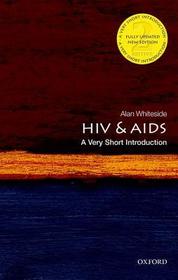
-
20% KEDVEZMÉNY?
- A kedvezmény csak az 'Értesítés a kedvenc témákról' hírlevelünk címzettjeinek rendeléseire érvényes.
- Kiadói listaár GBP 9.99
-
4 510 Ft (4 295 Ft + 5% áfa)
Az ár azért becsült, mert a rendelés pillanatában nem lehet pontosan tudni, hogy a beérkezéskor milyen lesz a forint árfolyama az adott termék eredeti devizájához képest. Ha a forint romlana, kissé többet, ha javulna, kissé kevesebbet kell majd fizetnie.
- Kedvezmény(ek) 20% (cc. 902 Ft off)
- Kedvezményes ár 3 608 Ft (3 436 Ft + 5% áfa)
- A kedvezmény érvényes eddig: 2026. június 30.
Iratkozzon fel most és részesüljön kedvezőbb árainkból!
Feliratkozom
4 510 Ft

Beszerezhetőség
Becsült beszerzési idő: A Prosperónál jelenleg nincsen raktáron, de a kiadónál igen. Beszerzés kb. 3-5 hét..
A Prosperónál jelenleg nincsen raktáron.
Why don't you give exact delivery time?
A beszerzés időigényét az eddigi tapasztalatokra alapozva adjuk meg. Azért becsült, mert a terméket külföldről hozzuk be, így a kiadó kiszolgálásának pillanatnyi gyorsaságától is függ. A megadottnál gyorsabb és lassabb szállítás is elképzelhető, de mindent megteszünk, hogy Ön a lehető leghamarabb jusson hozzá a termékhez.
A termék adatai:
- Kiadás sorszáma 2
- Kiadó OUP Oxford
- Megjelenés dátuma 2016. november 24.
- ISBN 9780198727491
- Kötéstípus Puhakötés
- Terjedelem176 oldal
- Méret 173x118x10 mm
- Súly 136 g
- Nyelv angol
- Illusztrációk 12 black and white images 0
Kategóriák
Rövid leírás:
HIV/ AIDS continues to be a major public health issue, affecting millions of sufferers worldwide. This Very Short Introduction explains the science, the international and local politics, the demographics, and the devastating consequences of the disease, and addresses some of the big issues that will concern us over the next decade.
TöbbHosszú leírás:
In 2008 it was believed that HIV/AIDS was without doubt the worst epidemic to hit humankind since the Black Death. The first case was identified in 1981; by 2004 it was estimated that about 40 million people were living with the disease, and about 20 million had died. Yet the outlook today is a little brighter. Although HIV/ AIDS continues to be a pressing public health issue the epidemic has stabilised globally, and it has become evident it is not, nor will it be, a global issue. The worst affected regions are southern and eastern Africa. Elsewhere, HIV is found in specific, usually, marginalised populations, for example intravenous drug users in Russia.
Although there still remains no cure for HIV, there have been unprecedented breakthroughs in understanding the disease and developing drugs. Access to treatment over the last ten years has turned AIDS into a chronic disease, although it is still a challenge to make antiviral treatment available to all that require it. We also have new evidence that treatment greatly reduces infectivity, and this has led to the movement of 'Treatment as Prevention'. In this Very Short Introduction Alan Whiteside provides an introduction to AIDS, tackling the science, the international and local politics, the demographics, and the devastating consequences of the disease. He looks at the problems a developing international 'AIDS fatigue' poses to funding for sufferers, but also shows how domestic resources are increasingly being mobilised, despite the stabilisation of international funding. Finally Whiteside considers how the need to understand and change our behaviour has caused us to reassess what it means to be human and how we should operate in the globalizing world.
ABOUT THE SERIES: The Very Short Introductions series from Oxford University Press contains hundreds of titles in almost every subject area. These pocket-sized books are the perfect way to get ahead in a new subject quickly. Our expert authors combine facts, analysis, perspective, new ideas, and enthusiasm to make interesting and challenging topics highly readable.
Tartalomjegyzék:
The emergence and state of the HIV and AIDS epidemic
How HIV and AIDS work and scientific responses
What shapes epidemics
Illness and death: demographic impact
Production and people
Development, human capital, and politics
Treatment and prevention dilemmas
Funding the epidemic
Big issues and major challenges
References
Further Reading
Index

