

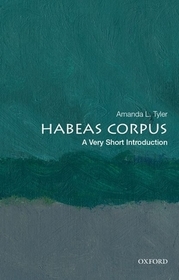
-
20% KEDVEZMÉNY?
- A kedvezmény csak az 'Értesítés a kedvenc témákról' hírlevelünk címzettjeinek rendeléseire érvényes.
- Kiadói listaár GBP 9.99
-
4 510 Ft (4 295 Ft + 5% áfa)
Az ár azért becsült, mert a rendelés pillanatában nem lehet pontosan tudni, hogy a beérkezéskor milyen lesz a forint árfolyama az adott termék eredeti devizájához képest. Ha a forint romlana, kissé többet, ha javulna, kissé kevesebbet kell majd fizetnie.
- Kedvezmény(ek) 20% (cc. 902 Ft off)
- Kedvezményes ár 3 608 Ft (3 436 Ft + 5% áfa)
- A kedvezmény érvényes eddig: 2026. június 30.
Iratkozzon fel most és részesüljön kedvezőbb árainkból!
Feliratkozom
4 510 Ft

Beszerezhetőség
Becsült beszerzési idő: A Prosperónál jelenleg nincsen raktáron, de a kiadónál igen. Beszerzés kb. 3-5 hét..
A Prosperónál jelenleg nincsen raktáron.
Why don't you give exact delivery time?
A beszerzés időigényét az eddigi tapasztalatokra alapozva adjuk meg. Azért becsült, mert a terméket külföldről hozzuk be, így a kiadó kiszolgálásának pillanatnyi gyorsaságától is függ. A megadottnál gyorsabb és lassabb szállítás is elképzelhető, de mindent megteszünk, hogy Ön a lehető leghamarabb jusson hozzá a termékhez.
A termék adatai:
- Kiadó OUP USA
- Megjelenés dátuma 2021. május 27.
- ISBN 9780190918989
- Kötéstípus Puhakötés
- Terjedelem184 oldal
- Méret 137x114x5 mm
- Súly 159 g
- Nyelv angol
- Illusztrációk 10 Black and White Illustrations 107
Kategóriák
Rövid leírás:
For nearly eight hundred years, the writ of habeas corpus has limited the executive in the Anglo-American legal tradition from imprisoning citizens and subjects with impunity. The writ empowers the judiciary to determine whether an arrest has been made with just cause and, where appropriate, to award prisoners their freedom. For this reason, the eighteenth-century jurist William Blackstone described the writ of habeas corpus as a "bulwark" of our liberties and the English Habeas Corpus Act of 1679 as a "second Magna Carta." Amanda L. Tyler traces the history of habeas corpus from its origins in English law to its spread throughout the world and its incorporation in the American constitutional framework, giving special attention to its application at various flashpoints in recent history, including during World War II and the War on Terror.
TöbbHosszú leírás:
Legal scholar Amanda L. Tyler discusses the history and future of habeas corpus in America and around the world.
The concept of habeas corpus--literally, to receive and hold the body--empowers courts to protect the right of prisoners to know the basis on which they are being held by the government and grant prisoners their freedom when they are held unlawfully. It is no wonder that habeas corpus has long been considered essential to freedom.
For nearly eight hundred years, the writ of habeas corpus has limited the executive in the Anglo-American legal tradition from imprisoning citizens and subjects with impunity. Writing in the eighteenth century, the widely influential English jurist and commentator William Blackstone declared the writ a "bulwark" of personal liberty. Across the Atlantic, in the leadup to the American Revolution, the Continental Congress declared that the habeas privilege and the right to trial by jury were among the most important rights in a free society.
This Very Short Introduction chronicles the storied writ of habeas corpus and how its common law and statutory origins spread from England throughout the British Empire and beyond, witnessing its use today around the world in nations as varied as Canada, Israel, India, and South Korea. Beginning with the English origins of the writ, the book traces its historical development both as a part of the common law and as a parliamentary creation born out of the English Habeas Corpus Act of 1679, a statute that so dramatically limited the executive's power to detain that Blackstone called it no less than a "second Magna Carta."
The book then takes the story forward to explore how the writ has functioned in the centuries since, including its controversial suspension by President Abraham Lincoln during the Civil War. It also analyzes the major role habeas corpus has played in such issues as the World War II incarceration of Japanese Americans and the US Supreme Court's recognition during the War on Terror of the concept of a "citizen enemy combatant." Looking ahead the story told in these pages reveals the immense challenges that the habeas privilege faces today and suggests that in confronting them, we would do well to remember how the habeas privilege brought even the king of England to his knees before the law.
It is a real achievement to encapsulate and illustrate these various themes and principles so concisely, enabling even the reader without any prior legal knowledge to gain an insight into the nature of what has long been celebrated as this "great palladium of the liberties of the subject".
Tartalomjegyzék:
Lists of Illustrations
Acknowledgments
Introduction
1: The English origins
2: The limits and potential of habeas corpus
3: Revolution
4: Habeas corpus comes to America
5: Habeas corpus in the early United States
6: Civil war and suspension
7: Reconstruction and expansion of the writ
8: World War II and the demise of the great writ
9: Habeas corpus today
Conclusion
References
Further Reading
Index

