

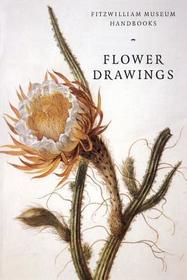
Flower Drawings
Sorozatcím: Fitzwilliam Museum Handbooks;
-
20% KEDVEZMÉNY?
- A kedvezmény csak az 'Értesítés a kedvenc témákról' hírlevelünk címzettjeinek rendeléseire érvényes.
- Kiadói listaár GBP 29.00
-
13 093 Ft (12 470 Ft + 5% áfa)
Az ár azért becsült, mert a rendelés pillanatában nem lehet pontosan tudni, hogy a beérkezéskor milyen lesz a forint árfolyama az adott termék eredeti devizájához képest. Ha a forint romlana, kissé többet, ha javulna, kissé kevesebbet kell majd fizetnie.
- Kedvezmény(ek) 20% (cc. 2 619 Ft off)
- Kedvezményes ár 10 475 Ft (9 976 Ft + 5% áfa)
- A kedvezmény érvényes eddig: 2026. június 30.
Iratkozzon fel most és részesüljön kedvezőbb árainkból!
Feliratkozom
13 093 Ft

Beszerezhetőség
Becsült beszerzési idő: A Prosperónál jelenleg nincsen raktáron, de a kiadónál igen. Beszerzés kb. 3-5 hét..
A Prosperónál jelenleg nincsen raktáron.
Why don't you give exact delivery time?
A beszerzés időigényét az eddigi tapasztalatokra alapozva adjuk meg. Azért becsült, mert a terméket külföldről hozzuk be, így a kiadó kiszolgálásának pillanatnyi gyorsaságától is függ. A megadottnál gyorsabb és lassabb szállítás is elképzelhető, de mindent megteszünk, hogy Ön a lehető leghamarabb jusson hozzá a termékhez.
A termék adatai:
- Kiadó Cambridge University Press
- Megjelenés dátuma 1997. június 19.
- ISBN 9780521585781
- Kötéstípus Puhakötés
- Terjedelem144 oldal
- Méret 237x171x10 mm
- Súly 350 g
- Nyelv angol
- Illusztrációk 64 colour illus. 0
Kategóriák
Rövid leírás:
A chronological selection of beautifully illustrated flower drawings.
TöbbHosszú leírás:
This Handbook illustrates a selection of drawings of flowers from the collection at the Fitzwilliam Museum. The book is arranged chronologically and ranges from the fifteenth century to the present day. Beginning with illustrations from the borders and backgrounds of illuminated manuscripts, the selection traces the form through attempts at accurate delineation of form during the Renaissance to the more scientific approach of the later seventeenth and early eighteenth centuries. It concludes with several contemporary examples of flower drawings to show that the tradition continues. The illustrations bring out the stunning detail and colour characteristic of the art-form.
'With so much marvellous material to choose from the author has made a varied and interesting choice with some strong and vivid images.' The Garden, Journal of the Royal Horticultural Society
Tartalomjegyzék:
Introduction; 1. French school, c.1415: Des proprietez des choses; 2. Netherlands school, fifteenth century: Horae: Book of Hours; 3. Netherlands school, 1526: Horae: Book of Hours; 4. Antoine du Pinet: Narcissus pseudo-narcissus L.; 5. Ambrosius Bosschaert the Younger: Tulip; 6. Jacob Marrell: An open wicker basket of flowers in a window embrasure, with a frog and insects; 7. Nicholas Robert: Three broken tulips; 8. Nicholas Robert: Six diverse flowers with an insect and a tropical butterfly; 9. Nicholas Robert: Rose and lavender with birds and a butterfly; 10. French school, seventeenth century: Pasque flower and cowslip with a butterfly; 11. French school, seventeenth century: Bluebell and a drogonfly; 12. Maria Sibylla Merian: Sisyrinchium with two butterflies; 13. Pieter Withoos: Rose of Provence; 14. Pieter Withoos: Digitalis purpurea; 15. Claude Aubriet: Mirabilis dichotoma L.; 16. Herman Henstenburgh: A garland of mixed flowers attached to a wall; 17. Pieter Snyers: Thistles; 18. Michael van Huysum: Mixed flowers in a Chinese vase; 19. Barbara Regina Dietzsch: Iris Germanica; 20. Margareta Barbara Dietzsch: Taraxacum officionale; 21. Georg Dionysius Ehret: Gentiana acaulis; 22. Georg Dionysius Ehret: A rose, seen from behind, with two ranuculus; 23. Georg Dionysius Ehret: Opuntia; 24. Georg Dionysius Ehret: Arum; 25. Georg Dionysius Ehret: Hura crepitans L.; 26. Georg Dionysius Ehret: Musa; 27. Thomas Robins the Elder: A bunch of ornamental flowers tied with a ribbon, surrounded by moths and butterflies; 28. Thomas Robins the Elder: Yucca, Cape marigold and mesembryanthemum; 29. Thomas Robins the Elder: Auriculas in a flower pot; 30. Alexis-Nicolas Perignon the Elder: Rose bush with a butterfly; 31. Augustin Heckel: Horse chestnut; 32. Mary Moser: Mixed flowers in an urn ornamented with the astrological symbol for Aries, on a stone ledge; 33. Dorothée-Anne Vallayer-Coster: Still life of mixed flowers in a glass on a ledge; 34. Friedrich Kirschner: Weeds from a German roadside; 35. Elizabeth Burgoyne: Halimium formosum; 36. Peter Brown: Clematis sp.; 37. Amelia Fancourt: Epilobium; 38. Mary Compton, Countess of Northampton: Amygdalus persica; 39. Antoine Berjon: An urn of poppies and convovulus on a stone ledge; 40. James Sowerby: Iris persica; 41. James Sowerby: Erythronium des canis; 42. Pierre-Joseph Redouté: Magnolia macrophylla; 43. Pierre-Joseph Redouté: Paeonia suffruticosa; 44. Francis Bauer: A surround of mixed flowers framing a manuscript note by Sir Joseph Banks; 45. Ferdinand Bauer: Malvaceae species; 46. Zacharie-Félix Doumet: Spring and summer flowers seen beyond a balustrade, with a view across a river to a distant castle; 47. Jan Frans van Dael: Bouquet of mixed flowers; 48. Pancrace Bessa: Potted auricula; 49. German school, c. 1820: White field rose and dog rose; 50. Henrietta Geertruida Knip: Selenicereus grandiflorus; 51. Patrick Nasmyth: Rumex obtusifolius; 52. Lucy Cust: Paeonia suffruticosa; 53. Nathalie D'Esménard: Noisette Rose; 54. John Lindley: Doryanthes excelsa; 55. Alfred Chandler: Camellia japonica eclipsis; 56. Isabella Selwin: Heliocereus speciosus; 57. Charles Rosenberg: Rosa x centifola 'Bullata'; 58. Cornelius B. Durham: Cattleya dolosa Rchb. fil.; 59. Augusta Innes Withers: Datura rosei; 60. Mrs William Duffield: Fruit and flowers on a straw mat in a window frame; 61. Dominique Dumillier: Flowering branch of a snowball tree with parrot tulips; 62. W. Mussill: Climbing tea roses and a humming bird; 63. Raymond Charles Booth: Antirrhinum; 64. Margaret Stones: Magnolia campbellii.
Több
