

-
10% KEDVEZMÉNY?
- A kedvezmény csak az 'Értesítés a kedvenc témákról' hírlevelünk címzettjeinek rendeléseire érvényes.
- Kiadói listaár GBP 237.50
-
107 231 Ft (102 125 Ft + 5% áfa)
Az ár azért becsült, mert a rendelés pillanatában nem lehet pontosan tudni, hogy a beérkezéskor milyen lesz a forint árfolyama az adott termék eredeti devizájához képest. Ha a forint romlana, kissé többet, ha javulna, kissé kevesebbet kell majd fizetnie.
- Kedvezmény(ek) 10% (cc. 10 723 Ft off)
- Kedvezményes ár 96 508 Ft (91 913 Ft + 5% áfa)
Iratkozzon fel most és részesüljön kedvezőbb árainkból!
Feliratkozom
107 231 Ft

Beszerezhetőség
Megrendelésre a kiadó utánnyomja a könyvet. Rendelhető, de a szokásosnál kicsit lassabban érkezik meg.
Why don't you give exact delivery time?
A beszerzés időigényét az eddigi tapasztalatokra alapozva adjuk meg. Azért becsült, mert a terméket külföldről hozzuk be, így a kiadó kiszolgálásának pillanatnyi gyorsaságától is függ. A megadottnál gyorsabb és lassabb szállítás is elképzelhető, de mindent megteszünk, hogy Ön a lehető leghamarabb jusson hozzá a termékhez.
A termék adatai:
- Kiadó OUP Oxford
- Megjelenés dátuma 1999. december 9.
- ISBN 9780198159797
- Kötéstípus Keménykötés
- Terjedelem332 oldal
- Méret 224x145x23 mm
- Súly 536 g
- Nyelv angol
- Illusztrációk 8 pp black and white plates 0
Kategóriák
Rövid leírás:
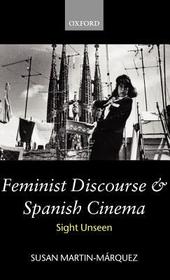
Feminist Discourse and Spanish Cinema provides the first detailed consideration of women directors working before the Civil War and during Franco's dictatorship, and is the first to explore the impact of feminism on filmmaking in Spain.
TöbbHosszú leírás:
Feminist Discourse and Spanish Cinema provides the first detailed consideration of women directors working before the Civil War and during Franco's dictatorship, and is the first to explore the impact of feminism on filmmaking in Spain. Part I focuses on three directors, Rosario Pi, Ana Mariscal, and Pilar Mir--, whose careers span the history of sound cinema in Spain. The book highlights their struggle to achieve agency within the male-dominated film industry, and draws upon extensive archival research as well as in-depth textual analysis to reveal their negotiation with questions of authorship, female subjectivity and national cinema. Part II explores six films by women and men directors---three each from the Francoist and post-Franco periods---that foreground a number of issues of fundamental importance to feminism, from the indoctrination and 'performance' of gender, to the fraught effort to reconcile power with sexual pleasure. The Afterword treats the remarkable recent boom in women directors and traces the shift in their work towards the exploration of multiple forms of difference.
This is an intelligent, detailed study; both source book and commentary, which maps its argument with a combative clarity that should make it indispensable to anyone interested in the feminist journeys of twentieth-century Spanish cinema.

