

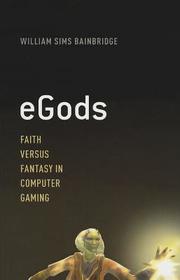
eGods
Faith versus Fantasy in Computer Gaming
-
10% KEDVEZMÉNY?
- A kedvezmény csak az 'Értesítés a kedvenc témákról' hírlevelünk címzettjeinek rendeléseire érvényes.
- Kiadói listaár GBP 112.50
-
53 746 Ft (51 187 Ft + 5% áfa)
Az ár azért becsült, mert a rendelés pillanatában nem lehet pontosan tudni, hogy a beérkezéskor milyen lesz a forint árfolyama az adott termék eredeti devizájához képest. Ha a forint romlana, kissé többet, ha javulna, kissé kevesebbet kell majd fizetnie.
- Kedvezmény(ek) 10% (cc. 5 375 Ft off)
- Kedvezményes ár 48 372 Ft (46 068 Ft + 5% áfa)
Iratkozzon fel most és részesüljön kedvezőbb árainkból!
Feliratkozom
53 746 Ft

Beszerezhetőség
Megrendelésre a kiadó utánnyomja a könyvet. Rendelhető, de a szokásosnál kicsit lassabban érkezik meg.
Why don't you give exact delivery time?
A beszerzés időigényét az eddigi tapasztalatokra alapozva adjuk meg. Azért becsült, mert a terméket külföldről hozzuk be, így a kiadó kiszolgálásának pillanatnyi gyorsaságától is függ. A megadottnál gyorsabb és lassabb szállítás is elképzelhető, de mindent megteszünk, hogy Ön a lehető leghamarabb jusson hozzá a termékhez.
A termék adatai:
- Kiadó OUP USA
- Megjelenés dátuma 2013. április 4.
- ISBN 9780199935819
- Kötéstípus Keménykötés
- Terjedelem336 oldal
- Méret 163x236x27 mm
- Súly 706 g
- Nyelv angol 0
Kategóriák
Rövid leírás:
William Bainbridge contends that the worlds of massively multiplayer online roleplaying games provide a new perspective on the human quest, one that combines the arts and simulates most aspects of real life. The quests in gameworlds also provide meaning for human action, in terms of narratives about achieving goals by overcoming obstacles.
TöbbHosszú leírás:
William Bainbridge takes an in-depth look at the fantasy religions that exist in 34 different massively multiplayer online roleplaying games. He categorizes the religions, noting similarities across the games. He points, for instance, to the prevalence of polytheism: a system which, Bainbridge argues, can function as an effective map of reality in which each deity personifies a concept. Religions are as much about conceptualizing the self as conceptualizing the sacred. Most games allow the players to have multiple avatars, an idea Bainbridge likens to contemporary scientific ideas about personality. He also focuses on sacred spaces; the prevalence of magic and its relationship to the computer program and programmer; the fostering of a tribal morality by both religion and rules programmed into the game; the rise of cults and belief systems within the game worlds (and how this relates to social science theories of cult formation in the real world); and, of course, how the gameworld religions depict death. As avatars are immortal, death is merely a minor setback in most games. At the same time, much of the action in some gameworlds centers on the issue of mortality and the problematic nature of resurrection.
Bainbridge contends that gameworlds are giving us a new perspective on the human quest, one that combines the arts and simulates most aspects of real life. The quests in gameworlds also provide meaning for human action, in terms of narratives about achieving goals by overcoming obstacles. Perhaps meaning does not naturally exist in our universe, but must be created by us, both in our fantasies and in day-to-day life. Like the games analyzed in this book, he says, traditional religions are fantasies that should be respected as works of art in a future civilization of disbelief.
eGods may serve as a helpful reference for those researching online gaming, religious symbols, or considering a literary analysis of gaming environments.
Tartalomjegyzék:
Chapter 1: Disbelief
Chapter 2: The Culture Game
Chapter 3: Deities
Chapter 4: Souls
Chapter 5: Priests
Chapter 6: Shrines
Chapter 7: Magic
Chapter 8: Morality
Chapter 9: Cults
Chapter 10: Death
Chapter 11: Quests
Appendix: The Gameworlds

