

-
10% KEDVEZMÉNY?
- A kedvezmény csak az 'Értesítés a kedvenc témákról' hírlevelünk címzettjeinek rendeléseire érvényes.
- Kiadói listaár GBP 250.00
-
112 875 Ft (107 500 Ft + 5% áfa)
Az ár azért becsült, mert a rendelés pillanatában nem lehet pontosan tudni, hogy a beérkezéskor milyen lesz a forint árfolyama az adott termék eredeti devizájához képest. Ha a forint romlana, kissé többet, ha javulna, kissé kevesebbet kell majd fizetnie.
- Kedvezmény(ek) 10% (kb. 11 288 Ft)
- Kedvezményes ár 101 588 Ft (96 750 Ft + 5% áfa)
Iratkozzon fel most és részesüljön kedvezőbb árainkból!
Feliratkozom
112 875 Ft

Beszerezhetőség
Megrendelésre a kiadó utánnyomja a könyvet. Rendelhető, de a szokásosnál kicsit lassabban érkezik meg.
Why don't you give exact delivery time?
A beszerzés időigényét az eddigi tapasztalatokra alapozva adjuk meg. Azért becsült, mert a terméket külföldről hozzuk be, így a kiadó kiszolgálásának pillanatnyi gyorsaságától is függ. A megadottnál gyorsabb és lassabb szállítás is elképzelhető, de mindent megteszünk, hogy Ön a lehető leghamarabb jusson hozzá a termékhez.
A termék adatai:
- Kiadó Clarendon Press
- Megjelenés dátuma 1992. december 10.
- ISBN 9780198147220
- Kötéstípus Keménykötés
- Terjedelem282 oldal
- Méret 223x145x22 mm
- Súly 497 g
- Nyelv angol 0
Kategóriák
Rövid leírás:
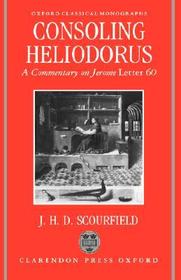
How did early Christians give comfort to the bereaved? This examination of one of the most important early Christian letters of consolation shows how Christian consolers adopted many of the approaches used by their pagan predecessors. The book includes both a text and translation of the letter.
TöbbHosszú leírás:
Jerome (AD c. 347-420) is best remembered as the author of the Vulgate translation of the Bible. But he was also an untiring letter-writer. Among the many letters which have survived are several written to friends who have suffered recent bereavement. In the most impressive of these, Letter 60, Jerome consoles Heliodorus, Bishop of Altinum in north-east Italy, on the early death of his young nephew Nepotianus. The letter is composed from a thoroughly Christian perspective; but it belongs to a tradition of consolatory literature that reaches far back into the pagan world.
In this commentary, Professor Scourfield places the letter in the context of this consolatory tradition, showing how in the late fourth century a highly literate Christian author could take over pagan ideas and put them to Christian use. The commentary also includes a full discussion of matters of language and style, theology and exegesis, as well as the historical background. There is a freshly revised text, as well as a completely new translation of the Letter.
The text ... is accompanied by a masterly translation and commentary. Scourfield misses no nuance of Jerome's stylish, erudite and, at times, very moving prose.
Expository Times

