

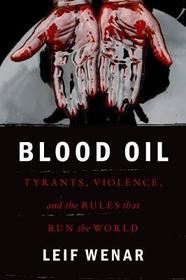
Blood Oil
Tyrants, Violence, and the Rules That Run the World
-
10% KEDVEZMÉNY?
- A kedvezmény csak az 'Értesítés a kedvenc témákról' hírlevelünk címzettjeinek rendeléseire érvényes.
- Kiadói listaár GBP 22.99
-
10 379 Ft (9 885 Ft + 5% áfa)
Az ár azért becsült, mert a rendelés pillanatában nem lehet pontosan tudni, hogy a beérkezéskor milyen lesz a forint árfolyama az adott termék eredeti devizájához képest. Ha a forint romlana, kissé többet, ha javulna, kissé kevesebbet kell majd fizetnie.
- Kedvezmény(ek) 10% (cc. 1 038 Ft off)
- Kedvezményes ár 9 341 Ft (8 897 Ft + 5% áfa)
Iratkozzon fel most és részesüljön kedvezőbb árainkból!
Feliratkozom
10 379 Ft

Beszerezhetőség
A kiadónál véglegesen elfogyott, nem rendelhető. Érdemes újra keresni a címmel, hátha van újabb kiadás.
Why don't you give exact delivery time?
A beszerzés időigényét az eddigi tapasztalatokra alapozva adjuk meg. Azért becsült, mert a terméket külföldről hozzuk be, így a kiadó kiszolgálásának pillanatnyi gyorsaságától is függ. A megadottnál gyorsabb és lassabb szállítás is elképzelhető, de mindent megteszünk, hogy Ön a lehető leghamarabb jusson hozzá a termékhez.
A termék adatai:
- Kiadó Oxford University Press
- Megjelenés dátuma 2016. február 19.
- ISBN 9780190262921
- Kötéstípus Keménykötés
- Terjedelem552 oldal
- Méret 237x163x42 mm
- Súly 865 g
- Nyelv angol 0
Kategóriák
Rövid leírás:
Tyranny, war, corruption and terrorism follow oil and other natural resources-because of the same law that once allowed the slave trade and genocide, conquest and apartheid. Political philosopher Leif Wenar shows how the West can lead the world beyond blood oil and conflict minerals to a more united, enlightened future.
TöbbHosszú leírás:
Natural resources like oil and minerals are the largest source of unaccountable power in the world. Petrocrats like Putin and the Saudis spend resource money on weapons and oppression; militants in Iraq and in the Congo spend resource money on radicalization and ammunition. Resource-fueled authoritarians and extremists present endless crises to the West - and the source of their resource power is ultimately ordinary consumers, doing their everyday shopping at the gas
station and the mall.
In this sweeping new book, one of today's leading political philosophers, Leif Wenar, goes behind the headlines in search of the hidden global rule that thwarts democracy and development - and that puts shoppers into business with some of today's most dangerous men. Wenar discovers a rule that once licensed the slave trade and apartheid and genocide, a rule whose abolition has marked some of humanity's greatest triumphs-yet a rule that still enflames tyranny and war and terrorism through
today's multi-trillion dollar resource trade.
Blood Oil shows how the West can now lead a peaceful revolution by ending its dependence on authoritarian oil, and by getting consumers out of business with the men of blood. The book describes practical strategies for upgrading world trade: for choosing new rules that will make us more secure at home, more trusted abroad, and better able to solve pressing global problems like climate change. Blood Oil shows citizens, consumers and leaders how we can act together today to
create a more united human future.
Wenars argument is morally very compelling [an] outstanding book.
Tartalomjegyzék:
Introduction
Need to Know Basis: The Facts about Resources, the Oil Companies and the Oil Countries
Summary of the Book
Part I. Them v. Them
Chapter 1. Addicted to Money
Chapter 2. Power-What Big Men Want
Chapter 3. Coercion, Corruption
Chapter 4. Then Maybe Blood
Part II. Them v. Us v. Us
Chapter 5. Might Makes Right
Chapter 6. Curses on Us: Petrocrats, Terrorists and Conflict
Chapter 7. How Might Makes Right
Chapter 8. Gripping Dirty Hands
Part III. The People's Rights
Chapter 9. Counter-Power
Chapter 10. The Determination of Peoples
Chapter 11. Popular Resource Sovereignty
Chapter 12. The State of the Law
Chapter 13. Popular Philosophy
Chapter 14. Our Corruption: Why Leaders Must Lie
Part IV. Clean Trade Policy
Chapter 15. Principles for Action
Chapter 16. Clean Trade Policy I - Protecting Property Rights
Chapter 17. Clean Trade Policy II - Empowering the People
Part V. All United
Chapter 18. The Future Together
Epilogue. The Ideal of Unity
Notes
References
Index

