

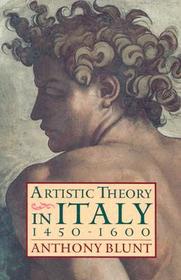
Artistic Theory in Italy 1450-1600
-
10% KEDVEZMÉNY?
- A kedvezmény csak az 'Értesítés a kedvenc témákról' hírlevelünk címzettjeinek rendeléseire érvényes.
- Kiadói listaár GBP 12.99
-
5 864 Ft (5 585 Ft + 5% áfa)
Az ár azért becsült, mert a rendelés pillanatában nem lehet pontosan tudni, hogy a beérkezéskor milyen lesz a forint árfolyama az adott termék eredeti devizájához képest. Ha a forint romlana, kissé többet, ha javulna, kissé kevesebbet kell majd fizetnie.
- Kedvezmény(ek) 10% (kb. 586 Ft)
- Kedvezményes ár 5 278 Ft (5 027 Ft + 5% áfa)
Iratkozzon fel most és részesüljön kedvezőbb árainkból!
Feliratkozom
5 864 Ft

Beszerezhetőség
Megrendelésre a kiadó utánnyomja a könyvet. Rendelhető, de a szokásosnál kicsit lassabban érkezik meg.
Why don't you give exact delivery time?
A beszerzés időigényét az eddigi tapasztalatokra alapozva adjuk meg. Azért becsült, mert a terméket külföldről hozzuk be, így a kiadó kiszolgálásának pillanatnyi gyorsaságától is függ. A megadottnál gyorsabb és lassabb szállítás is elképzelhető, de mindent megteszünk, hogy Ön a lehető leghamarabb jusson hozzá a termékhez.
A termék adatai:
- Kiadó OUP Oxford
- Megjelenés dátuma 1963. március 26.
- ISBN 9780198810506
- Kötéstípus Puhakötés
- Terjedelem208 oldal
- Méret 196x128x11 mm
- Súly 241 g
- Nyelv angol
- Illusztrációk 12 halftone plates 0
Kategóriák
Rövid leírás:
This book seeks to broaden the comprehension of the student of Italian Renaissance painting by concentrating not on the works of art themselves, but on the various artistic theories which influenced them or were expressed by them.
Taking Alberti's treatises as his starting-point, Anthony Blunt traces the development of artistic theory from Humanism to Mannerism. He discusses the writings of Leonardo, Savonarola, Michelangelo, and Vasari, examines the effect of the Council of Trent on religious art, and chronicles the successful struggle of the painters and sculptors themselves to elevate their status from craftsmen to creative artists.
Hosszú leírás:
This book seeks to broaden the comprehension of the student of Italian Renaissance painting by concentrating not on the works of art themselves, but on the various artistic theories which influenced them or were expressed by them.
Taking Alberti's treatises as his starting-point, Anthony Blunt traces the development of artistic theory from Humanism to Mannerism. He discusses the writings of Leonardo, Savonarola, Michelangelo, and Vasari, examines the effect of the Council of Trent on religious art, and chronicles the successful struggle of the painters and sculptors themselves to elevate their status from craftsmen to creative artists.

