

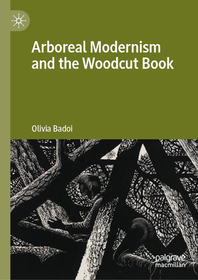
Arboreal Modernism and the Woodcut Book
-
20% KEDVEZMÉNY?
- A kedvezmény csak az 'Értesítés a kedvenc témákról' hírlevelünk címzettjeinek rendeléseire érvényes.
- Kiadói listaár EUR 128.39
-
50 149 Ft (47 761 Ft + 5% áfa)
Az ár azért becsült, mert a rendelés pillanatában nem lehet pontosan tudni, hogy a beérkezéskor milyen lesz a forint árfolyama az adott termék eredeti devizájához képest. Ha a forint romlana, kissé többet, ha javulna, kissé kevesebbet kell majd fizetnie.
- Kedvezmény(ek) 20% (cc. 10 030 Ft off)
- Kedvezményes ár 40 119 Ft (38 209 Ft + 5% áfa)
- A kedvezmény érvényes eddig: 2026. június 30.
Iratkozzon fel most és részesüljön kedvezőbb árainkból!
Feliratkozom
44 131 Ft

Beszerezhetőség
Megrendelésre a kiadó utánnyomja a könyvet. Rendelhető, de a szokásosnál kicsit lassabban érkezik meg.
Why don't you give exact delivery time?
A beszerzés időigényét az eddigi tapasztalatokra alapozva adjuk meg. Azért becsült, mert a terméket külföldről hozzuk be, így a kiadó kiszolgálásának pillanatnyi gyorsaságától is függ. A megadottnál gyorsabb és lassabb szállítás is elképzelhető, de mindent megteszünk, hogy Ön a lehető leghamarabb jusson hozzá a termékhez.
A termék adatai:
- Kiadó Springer Nature Switzerland
- Megjelenés dátuma 2026. január 9.
- ISBN 9783032108159
- Kötéstípus Keménykötés
- Terjedelem144 oldal
- Méret 210x148 mm
- Nyelv angol
- Illusztrációk XXX, 144 p. 12 illus., 11 illus. in color. 669
Kategóriák
Hosszú leírás:
"
This book reveals how modernist artists across Europe and the United States turned to trees and wooden materials as both subject and medium to reimagine human relationships with the natural world. In an era of accelerating industrialization, these artists made the seemingly anachronistic choice to work with wood—creating handcrafted books that challenged the alienation of modern life through their very materiality.
Arboreal Modernism examines the transnational phenomenon of woodcut modernism through pioneering artists including Lynd Ward, whose anti-racist and anti-capitalist narratives used trees as witnesses to violence and models for social interconnection; Virginia Woolf and Vanessa Bell, whose collaborative woodcut projects at the Hogarth Press challenged boundaries between text and image; Helen West Heller, the first artist to carve both word and image from the same woodblock in her innovative poetry; and Helena BochoÅTMáková-Dittrichová, whose wordless narratives critiqued colonialism while envisioning alternative futures led by women. The book also traces this tradition's contemporary legacy through artists Eric Drooker and Peter Kuper. Through close analysis, Badoi demonstrates how the woodcut book served as both artistic innovation and political intervention, using the ancient technique of woodcutting to address modern concerns about ecology, community, and social justice. This study recovers an overlooked dimension of modernist experimentation while offering insights relevant to our current environmental crisis.
Tartalomjegyzék:
Introduction: Arboreal Modernism and the Woodcut Book.- Chapter 1: A Feeling for Wood Itself: Lynd Ward's Arboreal Modernism and the Politics of Wood.- Chapter 2: A Sisterly Collaboration: Virginia Woolf, Vanessa Bell, and the Woodcut.- Chapter 3: Words Like Birds: Helen West Heller's Woodcut Poetry.- Chapter 4: Weaving Resistance: Helena BochoÅTMáková-Dittrichová's Wordless Narratives.- Epilogue: Still Seeking Light in Darkness: Drooker, Kuper, and the Woodcut Legacy.- Conclusion: The Living Legacy of Arboreal Modernism.
Több
