

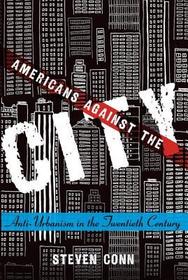
Americans Against the City
Anti-Urbanism in the Twentieth Century
-
10% KEDVEZMÉNY?
- A kedvezmény csak az 'Értesítés a kedvenc témákról' hírlevelünk címzettjeinek rendeléseire érvényes.
- Kiadói listaár GBP 33.49
-
15 120 Ft (14 400 Ft + 5% áfa)
Az ár azért becsült, mert a rendelés pillanatában nem lehet pontosan tudni, hogy a beérkezéskor milyen lesz a forint árfolyama az adott termék eredeti devizájához képest. Ha a forint romlana, kissé többet, ha javulna, kissé kevesebbet kell majd fizetnie.
- Kedvezmény(ek) 10% (cc. 1 512 Ft off)
- Kedvezményes ár 13 608 Ft (12 960 Ft + 5% áfa)
Iratkozzon fel most és részesüljön kedvezőbb árainkból!
Feliratkozom
15 120 Ft

Beszerezhetőség
Megrendelésre a kiadó utánnyomja a könyvet. Rendelhető, de a szokásosnál kicsit lassabban érkezik meg.
Why don't you give exact delivery time?
A beszerzés időigényét az eddigi tapasztalatokra alapozva adjuk meg. Azért becsült, mert a terméket külföldről hozzuk be, így a kiadó kiszolgálásának pillanatnyi gyorsaságától is függ. A megadottnál gyorsabb és lassabb szállítás is elképzelhető, de mindent megteszünk, hogy Ön a lehető leghamarabb jusson hozzá a termékhez.
A termék adatai:
- Kiadó OUP USA
- Megjelenés dátuma 2016. december 8.
- ISBN 9780190636340
- Kötéstípus Puhakötés
- Terjedelem394 oldal
- Méret 231x155x22 mm
- Súly 590 g
- Nyelv angol
- Illusztrációk 34 illus. 0
Kategóriák
Rövid leírás:
It is a paradox of American life that we are a highly urbanized nation filled with people deeply ambivalent about urban life.
TöbbHosszú leírás:
It is a paradox of American life that we are a highly urbanized nation filled with people deeply ambivalent about urban life. An aversion to urban density and all that it contributes to urban life, and a perception that the city was the place where "big government" first took root in America fostered what historian Steven Conn terms the "anti-urban impulse." In response, anti-urbanists called for the decentralization of the city, and rejected the role of government in American life in favor of a return to the pioneer virtues of independence and self-sufficiency.
In this provocative and sweeping book, Conn explores the anti-urban impulse across the 20th century, examining how the ideas born of it have shaped both the places in which Americans live and work, and the anti-government politics so strong today. Beginning in the booming industrial cities of the Progressive era at the turn of the 20th century, where debate surrounding these questions first arose, Conn examines the progression of anti-urban movements. : He describes the decentralist movement of the 1930s, the attempt to revive the American small town in the mid-century, the anti-urban basis of urban renewal in the 1950s and '60s, and the Nixon administration's program of building new towns as a response to the urban crisis, illustrating how, by the middle of the 20th century, anti-urbanism was at the center of the politics of the New Right. Concluding with an exploration of the New Urbanist experiments at the turn of the 21st century, Conn demonstrates the full breadth of the anti-urban impulse, from its inception to the present day. Engagingly written, thoroughly researched, and forcefully argued, Americans Against the City is important reading for anyone who cares not just about the history of our cities, but about their future as well.
Although the literature on America's attitudes toward its cities is large, Steven Conn's new book, Americans against the City, sheds new light on the topic and demonstrates that ideas can have a powerful effect on landscape and politics.... Conn connects intellectual history to the history of politics and the physical environment to show how concerns about urban density and public life have permeated not only American thought but also all aspects of American life. By pursuing his theme into the twenty-first century, he also demonstrates its persistence and continued importance.
Tartalomjegyzék:
Acknowledgments
Introduction: The American Urban Paradox
1. Anti-Urbanism: An American Tradition
2. America's Urban Moment Arrives
3. The Center Should Not Hold: Decentralizing the City in the 1920s and '30s
4. New Deal, New Towns: The Anti-Urban New Deal
5. Looking for Alternatives to the City: The Past and the Folk
6. The Center Did Not Hold: The City in the Age of Urban Renewal
7. The Triumph of the Decentralized City
8. Small Town, New Town, Commune
9. New Communities, New Urbanisms
Afterword: Urbanism as a Way of Life
Notes
Bibliography

