

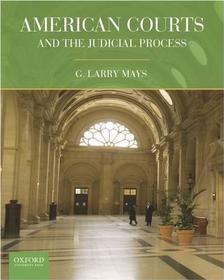
American Courts and the Judicial Process
-
10% KEDVEZMÉNY?
- A kedvezmény csak az 'Értesítés a kedvenc témákról' hírlevelünk címzettjeinek rendeléseire érvényes.
- Kiadói listaár GBP 55.00
-
24 832 Ft (23 650 Ft + 5% áfa)
Az ár azért becsült, mert a rendelés pillanatában nem lehet pontosan tudni, hogy a beérkezéskor milyen lesz a forint árfolyama az adott termék eredeti devizájához képest. Ha a forint romlana, kissé többet, ha javulna, kissé kevesebbet kell majd fizetnie.
- Kedvezmény(ek) 10% (kb. 2 483 Ft)
- Kedvezményes ár 22 349 Ft (21 285 Ft + 5% áfa)
Iratkozzon fel most és részesüljön kedvezőbb árainkból!
Feliratkozom
24 832 Ft

Beszerezhetőség
Bizonytalan a beszerezhetőség. Érdemes még egyszer keresni szerzővel és címmel. Ha nem talál másik, kapható kiadást, forduljon ügyfélszolgálatunkhoz!
Why don't you give exact delivery time?
A beszerzés időigényét az eddigi tapasztalatokra alapozva adjuk meg. Azért becsült, mert a terméket külföldről hozzuk be, így a kiadó kiszolgálásának pillanatnyi gyorsaságától is függ. A megadottnál gyorsabb és lassabb szállítás is elképzelhető, de mindent megteszünk, hogy Ön a lehető leghamarabb jusson hozzá a termékhez.
A termék adatai:
- Kiadó OUP USA
- Megjelenés dátuma 2011. szeptember 29.
- ISBN 9780199738854
- Kötéstípus Puhakötés
- Terjedelem448 oldal
- Méret 203x254 mm
- Nyelv angol 0
Kategóriák
Rövid leírás:
American Courts and the Judicial Process examines the many elements of the U.S. court system--its structure, function, and key actors. Author G. Larry Mays discusses the contrast between the law and rules as they are written and the way they play out in the real world. Concise and accessible, American Courts and the Judicial Process is ideal for undergraduate courts courses.
TöbbHosszú leírás:
American Courts and the Judicial Process examines the many elements of the U.S. court system--its structure, function, and key actors. Author G. Larry Mays discusses the contrast between the law and rules as they are written and the way they play out in the real world. Concise and accessible, American Courts and the Judicial Process is ideal for undergraduate courts courses.
FEATURES
* Written by a seasoned author and renowned criminologist
* Presents a variety of scholarship, both classic and current
* Organized logically, beginning with a brief overview of court personnel (judges, lawyers, etc.) before delving into the different types of courts and procedures (pre-trial, trial, and post-trial judicial processes)
* Contains distinctive pedagogy:
>> "In Their Own Words" boxes containing quotes from leading judges, lawyers, legal scholars, and others
>> "In the News" boxes discussing contemporary events
>> "World View" boxes covering international courts and legal systems
* Discusses the major problems facing the American court system and considers potential solutions
SUPPORT PACKAGE
* Instructor's Resource CD containing a Test Bank, sample syllabi, chapter outlines, and PowerPoint-based lecture slides
* Companion Website (www.oup.com/us/mays) featuring a downloadable Student Study Guide, a variety of self-quizzes, and brief chapter summaries
Tartalomjegyzék:
<i>Each Chapter begins with an Introduction and ends with a Summary, Questions for Critical Thinking, Key Terms, Recommended Readings, References, and Endnotes.</i>
PREFACE
I. PERSPECTIVES ON THE JUDICIAL PROCESS
CHAPTER 1 - AN OVERVIEW OF THE AMERICAN LEGAL SYSTEM
The Criminal Justice System
The Police
Levels of Police Agencies
The Courts
Levels of Courts
Corrections and Criminal Sanctions
Levels of Corrections
Separation of Powers
The Legislative Branch
The Executive Branch
The Judicial Branch
Federalism
Differences in Court Jurisdictions
Subject Matter Jurisdiction
Limited versus General Trial Jurisdiction
Hierarchical Jurisdiction
Law versus Equity
Adversarial Justice
CHAPTER 2 - FOUNDATIONS AND FUNCTIONS OF LAW
The Development of Law
The Pre-Historical Era
The Early Historical Period
The Modern Era
Typologies of Law
Penal Law
Compensatory Law
Therapeutic Law
Conciliatory Law
Differences in Civil Law and Criminal Law
Civil and Common Law Legal Systems
Civil and Criminal Law in the United States
Civil Law Distinctives
Criminal Law Distinctives
Substantive Law versus Procedural Law
Substantive Law
Procedural Law
Sources of Law
Common Law
Constitutional Law
Statutory Law
Case Law
Administrative Law
Degrees of Seriousness
Evilness
Offense Seriousness
Felonies
Misdemeanors
Elements of a Crime
<i>Mens Rea</i>
<i>Actus Reus</i>
Concurrence
Inchoate Offenses
Conspiracies
Solicitations
Attempts
Defenses
Burden of Proof
Affirmative Defenses
Types of Criminal Offenses
Crimes against Persons
Crimes against Property
Public Order Offenses
Other Crimes
II. COURT PARTICIPANTS: ROLES AND RELATIONSHIPS
CHAPTER 3 - THE COURTROOM WORK GROUP
The Actors
The Work Group Core
Other Work Group Actors
Defining the Courtroom Work Group
Authority Relationships
Influence Relationships
Common Goals
Doing Justice
Maintaining Group Cohesion
Disposing of the Case Load
Reducing Uncertainty
Specialized Roles
Work Techniques
Tasks
Stability and Familiarity
Group Interactions
Judges
Prosecuting Attorneys
Defense Attorneys
Disruptions in Group Goals
CHAPTER 4 - JUDGES
Selection of Judges
Partisan Election
Non-Partisan Elections
Appointment
Merit Selection
Judicial Qualifications
Local and State Judges
Federal Judges
Judicial Discipline and Removal from Office
Judicial Independence and Accountability
Quasi-Judicial Officers
Functions Performed by Judges
Pretrial Functions
Trial Functions
Post-Trial Functions
Appellate Functions
Judges as Administrators
CHAPTER 5 - LAWYERS AND LITIGANTS
Legal Education in the United States
Primitive Legal Systems
Transitional Legal Systems
Modern Legal Systems
Lawyers and the Practice of Law
Prosecuting Attorneys
Local and State Prosecutors
Federal Prosecutors
Defense Attorneys
The Roles Played by Defense Attorneys
Attorney Status
The Constitutional Right to Counsel
Methods for Selecting Attorneys
Issues Surrounding Attorney Competence
Attorneys in Civil Cases
Civil Litigants
CHAPTER 6 - JURORS, WITNESSES, AND OTHERS IN THE JUDICIAL PROCESS
The Right to a Jury Trial
Jurors and Jury Service
Age Qualifications
Other Requirements for Jurors
Factors that Disqualify Potential Jurors
Jury Selection
Court Clerks and/or Jury Commissioners
Frequency of Jury Service
Excusals at the Time of Trial
Juror Duties
Juror Functions
Jury Size
Jury Unanimity
Witnesses
Bailiffs and Other Security Personnel
Court Clerks and Administrators
Other Courtroom Personnel
III. TRIALS AND RELATEDFUNCTIONS
CHAPTER 7 - TRIALS AND TRIAL PROCEDURES
Pretrial Procedures
Arrest
Bail
Initial Appearance
Preliminary Hearing
Grand Jury
Arraignment
Pretrial Motions
The Trial
Bench Trial or Jury Trial?
Assembling the Jury Pool
Jury Selection
Opening Arguments
Witness Examination
Scientific Evidence in Court
Closing Arguments and Jury Instructions
Jury Deliberations and Verdicts
Sentencing
Appeals
CHAPTER 8 - SENTENCING
Responsibility for Sentencing Decisions
Sentencing Options Available
Misdemeanor Sentences
Felony Sentences
The Sentencing Decision Making Process
Sentencing Strategies Employed
Indeterminate Sentencing
Determinate Sentencing
Structured Sentencing
Mandatory Sentencing
Race, Ethnicity, and Gender in Sentencing
Minorities and Sentencing
Gender and Sentencing
Trends in Sentencing
Changes in Sentencing Policy
Increased Punitiveness
Capital Punishment
IV. COURT STRUCTURE
CHAPTER 9 - COURTS OF LIMITED JURISDICTION AND SPECIALIZED COURTS
The Structure of Limited Jurisdiction Courts
Federal Courts
State Courts
Operations of Limited Jurisdiction Courts
Types of Cases Heard by Lower Level Courts
Tort Claims
Breaches of Contract
Probate Cases
Specialized Courts
Juvenile Courts
Family Courts
Probate Courts
Other Specialized Courts
Therapeutic Jurisprudence
CHAPTER 10 - COURTS OF GENERAL TRIAL JURISDICTION
Creation of State Courts
Jurisdiction of State Courts
Courts of General Jurisdiction
State Court Workloads
Civil Cases
Criminal Cases
Establishment of the Federal District Courts
Jurisdiction of the Federal District Courts
Maritime Cases
Diversity of Citizenship
U.S. Government as a Party
Case and Controversy Rule
Flexibility of Jurisdiction
Structure of the Federal District Courts
Workload of the Federal District Courts
Civil Rights Cases
Criminal Cases
Bankruptcy Cases
CHAPTER 11 - COURTS OF APPELLATE JURISDICTION
Structure of State Appellate Courts
Intermediate Courts of Appeals
Courts of Last Resort
Structure of Federal Appellate Courts
United States Courts of Appeals
The Court of Last Resort
Judges and Justices of Appellate Courts
Appellate Court Decision Making
Workloads of Appellate Courts
Adding Judges
Intermediate Appellate Courts
Panel Decision Making
Law Clerks and Staff Attorneys
Other Solutions
The Mechanisms for Appeal
The Outcomes of Appeals
V. ISSUES FACING THE COURTS
CHAPTER 12 - ADDRESSING THE PROBLEMS AND CRAFTING SOLUTIONS
Resource Issues
Judicial Independence
Budgets
Court Jurisdiction
Elections
Management Concerns
Pro Se Litigation and Access to the Courts
Alternative Dispute Resolution
Negotiation
Mediation
Arbitration
Hybrid ADR Options
Issues of Gender and Race
Gender Issues
Race and Justice
The Use of Scientific Evidence
Wrongful Convictions
Eyewitness Misidentification
False Confessions
Jailhouse Snitches
Misleading Forensic Science
Prosecutorial Misconduct
Ineffective Counsel
Adjudicating Non-Traditional Issues: The Case of Terrorism
APPENDIX - THE CONSTITUTION OF THE UNITED STATES
Glossary
Table of Cases
Index

