

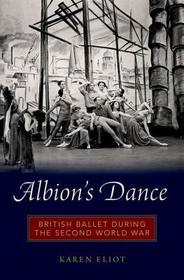
Albion's Dance
British Ballet during the Second World War
-
10% KEDVEZMÉNY?
- A kedvezmény csak az 'Értesítés a kedvenc témákról' hírlevelünk címzettjeinek rendeléseire érvényes.
- Kiadói listaár GBP 97.00
-
46 341 Ft (44 135 Ft + 5% áfa)
Az ár azért becsült, mert a rendelés pillanatában nem lehet pontosan tudni, hogy a beérkezéskor milyen lesz a forint árfolyama az adott termék eredeti devizájához képest. Ha a forint romlana, kissé többet, ha javulna, kissé kevesebbet kell majd fizetnie.
- Kedvezmény(ek) 10% (cc. 4 634 Ft off)
- Kedvezményes ár 41 708 Ft (39 722 Ft + 5% áfa)
Iratkozzon fel most és részesüljön kedvezőbb árainkból!
Feliratkozom
46 341 Ft

Beszerezhetőség
Megrendelésre a kiadó utánnyomja a könyvet. Rendelhető, de a szokásosnál kicsit lassabban érkezik meg.
Why don't you give exact delivery time?
A beszerzés időigényét az eddigi tapasztalatokra alapozva adjuk meg. Azért becsült, mert a terméket külföldről hozzuk be, így a kiadó kiszolgálásának pillanatnyi gyorsaságától is függ. A megadottnál gyorsabb és lassabb szállítás is elképzelhető, de mindent megteszünk, hogy Ön a lehető leghamarabb jusson hozzá a termékhez.
A termék adatai:
- Kiadó OUP USA
- Megjelenés dátuma 2016. október 13.
- ISBN 9780199347629
- Kötéstípus Keménykötés
- Terjedelem238 oldal
- Méret 239x157x25 mm
- Súly 499 g
- Nyelv angol
- Illusztrációk 9 images 0
Kategóriák
Rövid leírás:
Exploring the ballet boom in Britain during WWII, this book asks how art and artists thrive during conflict. Author Karen Eliot shows how ballet in Britain flourished during war, exhibiting a surprising heterogeneity and vibrant populism. The book focuses especially on the roles of dance critics, male and female dancers, producers, audiences, and choreographers.
TöbbHosszú leírás:
When the Second World War broke out, ballet in Britain was only a few decades old. Few had imagined that it would establish roots in a nation long thought to be unresponsive to dance. Nevertheless, the war proved to be a boon for ballet dancers, choreographers and audiences, for the nation's dancers were forced to look inward to their own identity and sources of creativity. As author Karen Eliot demonstrates in this fascinating book, instead of withering during the enforced isolation of war, ballet in Britain flourished, exhibiting a surprising heterogeneity and vibrant populism that moved ballet outside its typical elitist surroundings to be seen by uninitiated, often enthusiastic audiences. Ballet was thought to help boost audience morale, to render solace to the soul-weary and to afford entertainment and diversion to those who simply craved a few hours of distraction. Government authorities came to see that ballet could serve as a tool of propaganda; the ways it functioned within the larger public discourse of propaganda and sacrifice, and how it answered a public mood of pragmatism and idealism, are also topics in this story of the development of a national ballet identity. This narrative has several key players-- dance critics, male and female dancers, producers, audiences, and choreographers. Exploring the so-called "ballet boom" during WWII, the larger story of this book is one of how art and artists thrive during conflict, and how they respond pragmatically and creatively to privation and duress.
TöbbTartalomjegyzék:
Preface
Introduction
Chapter One: The British Ballet and its Critics at the Onset of War
Chapter Two: Making Ballet Central to British Wartime Experience
Chapter Three: The Dancers' Experience
Chapter Four: Propaganda, Publicity, and Social Pressure: Ballet in Discourse and Deed
Chapter Five: The Function of the Classics in Wartime
Chapter Six: Programming the Repertoire
Chapter Seven: British Choreography during the War
Afterword
Index

