

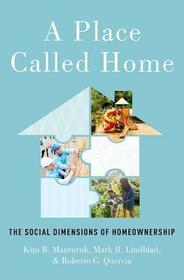
A Place Called Home
The Social Dimensions of Homeownership
-
10% KEDVEZMÉNY?
- A kedvezmény csak az 'Értesítés a kedvenc témákról' hírlevelünk címzettjeinek rendeléseire érvényes.
- Kiadói listaár GBP 25.49
-
11 508 Ft (10 960 Ft + 5% áfa)
Az ár azért becsült, mert a rendelés pillanatában nem lehet pontosan tudni, hogy a beérkezéskor milyen lesz a forint árfolyama az adott termék eredeti devizájához képest. Ha a forint romlana, kissé többet, ha javulna, kissé kevesebbet kell majd fizetnie.
- Kedvezmény(ek) 10% (kb. 1 151 Ft)
- Kedvezményes ár 10 357 Ft (9 864 Ft + 5% áfa)
Iratkozzon fel most és részesüljön kedvezőbb árainkból!
Feliratkozom
11 508 Ft

Beszerezhetőség
Becsült beszerzési idő: A Prosperónál jelenleg nincsen raktáron, de a kiadónál igen. Beszerzés kb. 3-5 hét..
A Prosperónál jelenleg nincsen raktáron.
Why don't you give exact delivery time?
A beszerzés időigényét az eddigi tapasztalatokra alapozva adjuk meg. Azért becsült, mert a terméket külföldről hozzuk be, így a kiadó kiszolgálásának pillanatnyi gyorsaságától is függ. A megadottnál gyorsabb és lassabb szállítás is elképzelhető, de mindent megteszünk, hogy Ön a lehető leghamarabb jusson hozzá a termékhez.
A termék adatai:
- Kiadó OUP USA
- Megjelenés dátuma 2017. november 2.
- ISBN 9780190653248
- Kötéstípus Keménykötés
- Terjedelem210 oldal
- Méret 236x155x22 mm
- Súly 454 g
- Nyelv angol 0
Kategóriák
Rövid leírás:
A Place Called Home explains that homeownership is associated with many positive and surprising non-financial outcomes, and also how and why this is so. The book ultimately argues that homeownership is an important social tool that can improve the lives of low- and moderate-income people.
TöbbHosszú leírás:
Since the onset of the mortgage lending crisis and the subsequent Great Recession, there has been ongoing debate about the economic benefits of homeownership. Some say homeownership remains an important contributor to wealth creation, while others believe that renting is a less expensive and less risky option. This debate has raised an interesting question about homeownership: if the home is not guaranteed to provide a solid return on investment, is there a rationale for promoting homeownership beyond whatever financial benefits it may deliver?
The authors' research has provided tremendous insights into the extra-financial effects of affordable homeownership. It shows that homeowners, when compared with renters, have better health outcomes, experience less stress in times of financial hardship, experience a greater sense of trust in their neighbors, have access to more social capital resources, and are more likely to vote. Further, the data allows us to explore not only what benefits result from affordable homeownership, but how and why these benefits are transferred. The book ultimately argues that homeownership is not only important for financial reasons, but also functions as a social tool that can improve the lives of low- and moderate-income people.
Overall, Manturuk and colleagues make a convincing case that the social benefits of homeownership ought to be considered in future debates on the subject and low-income housing policy. A Place Called Home should be required reading for participants in these debates.
Tartalomjegyzék:
Acknowledgments
Foreword
Introduction
Chapter 1: Methods
Chapter 2: Physical Health Limitations and Financial Hardship
Chapter 3: Financial Stress and Satisfaction
Chapter 4: Mental Health and Sense of Control
Chapter 5: Local Voting
Chapter 6: Civic Engagement
Chapter 7: Social Capital
Chapter 8: Collective Efficacy and Perceived Crime
Chapter 9: Homeownership: Mechanisms and Dependencies
Conclusion
Afterword
References
Index

