

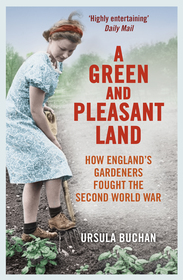
A Green and Pleasant Land
How England’s Gardeners Fought the Second World War
-
20% KEDVEZMÉNY?
- Kiadói listaár GBP 16.99
-
7 670 Ft (7 305 Ft + 5% áfa)
Az ár azért becsült, mert a rendelés pillanatában nem lehet pontosan tudni, hogy a beérkezéskor milyen lesz a forint árfolyama az adott termék eredeti devizájához képest. Ha a forint romlana, kissé többet, ha javulna, kissé kevesebbet kell majd fizetnie.
- Kedvezmény(ek) 20% (kb. 1 534 Ft)
- Kedvezményes ár 6 136 Ft (5 844 Ft + 5% áfa)
- A kedvezmény érvényes eddig: 2026. október 31.
6 136 Ft

Beszerezhetőség
A termék régiónkban, jogi okból nem forgalmazható.
Why don't you give exact delivery time?
A beszerzés időigényét az eddigi tapasztalatokra alapozva adjuk meg. Azért becsült, mert a terméket külföldről hozzuk be, így a kiadó kiszolgálásának pillanatnyi gyorsaságától is függ. A megadottnál gyorsabb és lassabb szállítás is elképzelhető, de mindent megteszünk, hogy Ön a lehető leghamarabb jusson hozzá a termékhez.
A termék adatai:
- Kiadó Random House
- Megjelenés dátuma 2014. március 27.
- Kötetek száma B-format paperback
- ISBN 9780099558668
- Kötéstípus Puhakötés
- Terjedelem384 oldal
- Méret 198x129x23 mm
- Súly 278 g
- Nyelv angol 0
Kategóriák
Hosszú leírás:
SHORTLISTED FOR INSPIRATIONAL BOOK OF THE YEAR AT THE 2014 GARDEN MEDIA GUILD AWARDS.
The wonderfully evocative story of how Britain’s World War Two gardeners – with great ingenuity, invincible good humour and extraordinary fortitude – dug for victory on home turf.
A Green and Pleasant Land tells the intriguing and inspiring story of how Britain's wartime government encouraged and cajoled its citizens to grow their own fruit and vegetables. As the Second World War began in earnest and a whole nation listened to wireless broadcasts, dug holes for Anderson shelters, counted their coupons and made do and mended, so too were they instructed to ‘Dig for Victory’.
Ordinary people, as well as gardening experts, rose to the challenge: gardens, scrubland, allotments and even public parks were soon helping to feed a nation deprived of fresh produce. As Ursula Buchan reveals, this practical contribution to the Home Front was tackled with thrifty ingenuity, grumbling humour and extraordinary fortitude. The simple act of turning over soil and tending new plants became important psychologically for a population under constant threat of bombing and even invasion. Gardening reminded people that their country and its more innocent and insular pursuits were worth fighting for. Gardening in wartime Britain was a part of the fight for freedom.

