

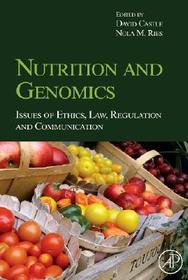
Nutrition and Genomics
Issues of Ethics, Law, Regulation and Communication
- Publisher's listprice EUR 73.95
-
30 670 Ft (29 210 Ft + 5% VAT)
The price is estimated because at the time of ordering we do not know what conversion rates will apply to HUF / product currency when the book arrives. In case HUF is weaker, the price increases slightly, in case HUF is stronger, the price goes lower slightly.
- Discount 10% (cc. 3 067 Ft off)
- Discounted price 27 603 Ft (26 289 Ft + 5% VAT)
Subcribe now and take benefit of a favourable price.
Subscribe
30 670 Ft

Availability
Out of print
Why don't you give exact delivery time?
Delivery time is estimated on our previous experiences. We give estimations only, because we order from outside Hungary, and the delivery time mainly depends on how quickly the publisher supplies the book. Faster or slower deliveries both happen, but we do our best to supply as quickly as possible.
Product details:
- Publisher Elsevier Science
- Date of Publication 14 April 2009
- ISBN 9780123741257
- Binding Hardback
- No. of pages312 pages
- Size 228x152 mm
- Weight 600 g
- Language English 0
Categories
Long description:
Nutrigenomics is the rapidly developing field of science that studies nutrient-gene interaction. This field has broad implications for understanding the interaction of human genomics and nutrition, but can also have very specific implications for individual dietary recommendations in light of personal genetics. Predicted applications for nutrigenomics include genomics-based dietary guidelines and personalized nutrition based on individual genetic tests. These developments have sweeping ethical, legal and regulatory implications for individuals, corporations and governments.This book brings together experts in ethics, law, regulatory analysis, and communication studies to identify and address relevant issues in the emerging field of nutritional genomics. Contributing authors are experts in the social aspects of biotechnology innovation, with expertise in nutrigenomics. From addressing the concern that nutrigenomics will transform food into medicine and undermine pleasures associated with eating to the latest in the science of nutrigenomics, this book provides a world-wide perspective on the potential impact of nutrigenomics on our association with food.
MoreTable of Contents:
Editor's Introduction
Chapter 1-Nutrigenomics: Current Research Trends
Chapter 2-Translating Nutrigenomics Research into Practice: The Example of Soy Protein
Chapter 3-Application of Nutrigenomics: An Industry Perspective
Chapter 4-Regulation of Genetic Tests: An International Comparison
Chapter 5-Risk-Based Regulation of Direct-to-Consumer Nutrigenetic Tests
Chapter 6-The Impact of Genomics on Innovation in Foods and Drugs: Can Canadian Law Step Up to the Challenge?
Chapter 7-Placing healthy eating in the everyday context: towards an action approach of gene-based personalized nutrition advice
Chapter 8-Health Care Provider Capacity in Nutrition and Genetics-A Canadian Case Study
Chapter 9-Advancing Knowledge Translation in Nutritional Genomics by Addressing Knowledge, Skills and Confidence Gaps of Registered Dietitians
Chapter 10-Understanding Hopes and Concerns about Nutrigenomics: Canadian public opinion research involving health care professionals and the public
Chapter 11-Pitching products, pitching ethics: Selling nutrigenetic tests as lifestyle or medicine
Chapter 12-Framing Nutrigenomics for Individual and Public Health: Public Representations of an Emerging Field
Chapter 13-The Personal and the Public in Nutrigenomics
Chapter 14-Food Styles and the Future of Nutrigenomics
Editor's Conclusion

