

-
10% KEDVEZMÉNY?
- A kedvezmény csak az 'Értesítés a kedvenc témákról' hírlevelünk címzettjeinek rendeléseire érvényes.
- Kiadói listaár GBP 102.50
-
46 278 Ft (44 075 Ft + 5% áfa)
Az ár azért becsült, mert a rendelés pillanatában nem lehet pontosan tudni, hogy a beérkezéskor milyen lesz a forint árfolyama az adott termék eredeti devizájához képest. Ha a forint romlana, kissé többet, ha javulna, kissé kevesebbet kell majd fizetnie.
- Kedvezmény(ek) 10% (kb. 4 627 Ft)
- Kedvezményes ár 41 651 Ft (39 668 Ft + 5% áfa)
Iratkozzon fel most és részesüljön kedvezőbb árainkból!
Feliratkozom
46 278 Ft

Beszerezhetőség
Megrendelésre a kiadó utánnyomja a könyvet. Rendelhető, de a szokásosnál kicsit lassabban érkezik meg.
Why don't you give exact delivery time?
A beszerzés időigényét az eddigi tapasztalatokra alapozva adjuk meg. Azért becsült, mert a terméket külföldről hozzuk be, így a kiadó kiszolgálásának pillanatnyi gyorsaságától is függ. A megadottnál gyorsabb és lassabb szállítás is elképzelhető, de mindent megteszünk, hogy Ön a lehető leghamarabb jusson hozzá a termékhez.
A termék adatai:
- Kiadó OUP USA
- Megjelenés dátuma 2016. augusztus 18.
- ISBN 9780190209063
- Kötéstípus Keménykötés
- Terjedelem304 oldal
- Méret 213x137x30 mm
- Súly 635 g
- Nyelv angol
- Illusztrációk 92 halftones and 8 line drawings 0
Kategóriák
Rövid leírás:
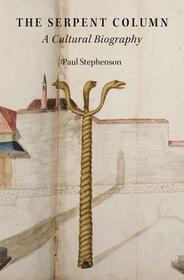
Paul Stephenson twists together multiple strands to relate the cultural biography of a unique monument, the Serpent Column, which stands today in Istanbul 2500 years after it was raised at Delphi.
TöbbHosszú leírás:
The Serpent Column, a bronze sculpture that has stood in Delphi and Constantinople, today Istanbul, is a Greek representation of the Near Eastern primordial combat myth: it is Typhon, a dragon defeated by Zeus, and also Python slain by Apollo. The column was created after the Battle of Plataia (479BC), where the sky was dominated by serpentine constellations and by the spiralling tails of the Milky Way. It was erected as a votive for Apollo and as a monument to the victory of the united Greek poleis over the Persians. It is as a victory monument that the column was transplanted to Constantinople and erected in the hippodrome. The column remained a monument to cosmic victory through centuries, but also took on other meanings. Through the Byzantine centuries these interpretation were fundamentally Christian, drawing upon serpentine imagery in Scripture, patristic and homiletic writings. When Byzantines saw the monument they reflected upon this multivalent serpentine symbolism, but also the fact that it was a bronze column. For these observers, it evoked the Temple's brazen pillars, Moses' brazen serpent, the serpentine tempter of Genesis (Satan), and the beast of Revelation. The column was inserted into Christian sacred history, symbolizing creation and the end times. The most enduring interpretation of the column, which is unrelated to religion, and therefore survived the Ottoman capture of the city, is as a talisman against snakes and snake-bites. It is this tale that was told by travellers to Constantinople throughout the Middle Ages, and it is this story that is told to tourists today who visit Istanbul. In this book, Paul Stephenson twists together multiple strands to relate the cultural biography of a unique monument.
Paul Stephenson has set a new landmark and a new benchmark in writing the history of objects and the writing of history through objects. The extraordinary fertility of his research, the subtlety of his arguments, the elegant economy of his prose, and the uniqueness of the object all make this a hard act to follow. ... He is, however, the first to label his work a cultural biography. It sounds pretentious, but it aptly echoes late antique and Byzantine beliefs in the animation of statues, and effectively states what should be every historians ideal: to ensure that the relics of the past get a life however inanimate and truncated they may be.
Tartalomjegyzék:
Contents
Preface
Acknowledgements
List of Illustrations
1. Studying the Plataian Tripod
2. Plataia
3. Delphi
4. Constantinople in Late Antiquity
5. Constantinople in the Middle Ages
6. Fountain
7. Talisman
8. Istanbul
Conclusion
Bibliography

