

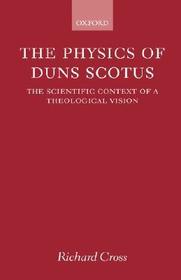
The Physics of Duns Scotus
The Scientific Context of a Theological Vision
-
10% KEDVEZMÉNY?
- A kedvezmény csak az 'Értesítés a kedvenc témákról' hírlevelünk címzettjeinek rendeléseire érvényes.
- Kiadói listaár GBP 285.00
-
128 677 Ft (122 550 Ft + 5% áfa)
Az ár azért becsült, mert a rendelés pillanatában nem lehet pontosan tudni, hogy a beérkezéskor milyen lesz a forint árfolyama az adott termék eredeti devizájához képest. Ha a forint romlana, kissé többet, ha javulna, kissé kevesebbet kell majd fizetnie.
- Kedvezmény(ek) 10% (kb. 12 867 Ft)
- Kedvezményes ár 115 810 Ft (110 295 Ft + 5% áfa)
Iratkozzon fel most és részesüljön kedvezőbb árainkból!
Feliratkozom
128 677 Ft

Beszerezhetőség
Megrendelésre a kiadó utánnyomja a könyvet. Rendelhető, de a szokásosnál kicsit lassabban érkezik meg.
Why don't you give exact delivery time?
A beszerzés időigényét az eddigi tapasztalatokra alapozva adjuk meg. Azért becsült, mert a terméket külföldről hozzuk be, így a kiadó kiszolgálásának pillanatnyi gyorsaságától is függ. A megadottnál gyorsabb és lassabb szállítás is elképzelhető, de mindent megteszünk, hogy Ön a lehető leghamarabb jusson hozzá a termékhez.
A termék adatai:
- Kiadó OUP Oxford
- Megjelenés dátuma 1998. november 12.
- ISBN 9780198269748
- Kötéstípus Keménykötés
- Terjedelem320 oldal
- Méret 224x145x23 mm
- Súly 526 g
- Nyelv angol 0
Kategóriák
Rövid leírás:
Duns Scotus, along with Thomas Aquinas and William of Ockham, was one of the three most talented and influential of the medieval schoolmen, and a highly original thinker. This book examines the central concepts in his physics, including matter, space, time, and unity.
TöbbHosszú leírás:
Duns Scotus, along with Thomas Aquinas and William of Ockham, was one of the three most talented and influential of the medieval schoolmen, and a highly original and creative thinker. Natural philosophy, or physics, is one of the areas of his system which has not received detailed attention in modern literature. But it is important, both for understanding Scotus's contributions in theology, and in tracing some important developments in the basically Aristotelian world-view which Scotus and his contemporaries espoused. The book contains detailed discussion and analysis of Scotus's accounts of the nature of matter; the structure of material substance; mass; the nature of space, time, and motion; quantitative and qualitative change; and the various sorts of unity which can be exhibited by different kinds of whole. It also includes discussion of Scotus's accounts of chemical composition, organic unity, and nutrition. Scotus's views on these matters are philosophyically sophisticated, and often highly original.
Cross's book is extremely dense and rich both exegetically and philosophically. Though his approach is primarily exegetical, Cross also succeeds in showing that many aspects of Scotus physics are of more than historical interest. There is also little doubt that Cross's book greatly contributes to our knowledge of Aristotelian natural philosophy in the late Middle Ages. It should be read by anyone seriously interested in Scotus and/or medieval physics.

