

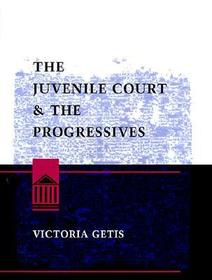
The Juvenile Court and Progressives
-
10% KEDVEZMÉNY?
- A kedvezmény csak az 'Értesítés a kedvenc témákról' hírlevelünk címzettjeinek rendeléseire érvényes.
- Kiadói listaár GBP 32.00
-
15 288 Ft (14 560 Ft + 5% áfa)
Az ár azért becsült, mert a rendelés pillanatában nem lehet pontosan tudni, hogy a beérkezéskor milyen lesz a forint árfolyama az adott termék eredeti devizájához képest. Ha a forint romlana, kissé többet, ha javulna, kissé kevesebbet kell majd fizetnie.
- Kedvezmény(ek) 10% (cc. 1 529 Ft off)
- Kedvezményes ár 13 759 Ft (13 104 Ft + 5% áfa)
Kedvezményes ár heti hírlevelünkre feliratkozott ügyfeleinknek.
Iratkozzon fel most és részesüljön kedvezőbb árainkból!
Feliratkozom
Iratkozzon fel most és részesüljön kedvezőbb árainkból!
Feliratkozom
15 288 Ft

Beszerezhetőség
A kiadónál átmenetileg nincs raktáron, ezért a szokásosnál (2-4 hét) többet kell várni a beszerzésre. Ez általában néhány hét plusz időt jelent.
Why don't you give exact delivery time?
A beszerzés időigényét az eddigi tapasztalatokra alapozva adjuk meg. Azért becsült, mert a terméket külföldről hozzuk be, így a kiadó kiszolgálásának pillanatnyi gyorsaságától is függ. A megadottnál gyorsabb és lassabb szállítás is elképzelhető, de mindent megteszünk, hogy Ön a lehető leghamarabb jusson hozzá a termékhez.
A termék adatai:
- Kiadó University of Illinois Press
- Megjelenés dátuma 2000. július 20.
- Kötetek száma Hardback
- ISBN 9780252025723
- Kötéstípus Keménykötés
- Terjedelem232 oldal
- Méret 229x152x23 mm
- Súly 481 g
- Nyelv angol 0
Kategóriák
Hosszú leírás:
"
Today's troubled juvenile court system has its roots in Progressive-era Chicago, a city one observer described as ""first in violence"" and ""deepest in dirt."" Examining the vision and methods of the original proponents of the Cook County Juvenile Court, Victoria Getis uncovers the court's intrinsic flaws as well as the sources of its debilitation in our own time.
Â
Spearheaded by a group of Chicago women, including Jane Addams, Lucy Flower, and Julia Lathrop, the juvenile court bill was pushed through the legislature by an eclectic coalition of progressive reformers, both women and men. Like many progressive institutions, the court reflected an unswerving faith in the wisdom of the state and in the ability of science to resolve the problems brought on by industrial capitalism.
Â
A hybrid institution combining legal and social welfare functions, the court was not intended to punish youthful lawbreakers but rather to provide guardianship for the vulnerable. In this role, the state was permitted great latitude to intervene in families where it detected a lack of adequate care for children. The court also became a living laboratory, as children in the court became the subjects of research by criminologists, statisticians, educators, state officials, economists, and, above all, practitioners of the new disciplines of sociology and psychology.
Â
The Chicago reformers had worked for large-scale social change, but the means they adopted eventually gave rise to the social sciences, where objectivity was prized above concrete solutions to social problems, and to professional groups that abandoned goals of structural reform. The Juvenile Court and the Progressives argues persuasively that the current impotence of the juvenile court system stems from contradictions that lie at the very heart of progressivism.
Â
"
Több
Â
Spearheaded by a group of Chicago women, including Jane Addams, Lucy Flower, and Julia Lathrop, the juvenile court bill was pushed through the legislature by an eclectic coalition of progressive reformers, both women and men. Like many progressive institutions, the court reflected an unswerving faith in the wisdom of the state and in the ability of science to resolve the problems brought on by industrial capitalism.
Â
A hybrid institution combining legal and social welfare functions, the court was not intended to punish youthful lawbreakers but rather to provide guardianship for the vulnerable. In this role, the state was permitted great latitude to intervene in families where it detected a lack of adequate care for children. The court also became a living laboratory, as children in the court became the subjects of research by criminologists, statisticians, educators, state officials, economists, and, above all, practitioners of the new disciplines of sociology and psychology.
Â
The Chicago reformers had worked for large-scale social change, but the means they adopted eventually gave rise to the social sciences, where objectivity was prized above concrete solutions to social problems, and to professional groups that abandoned goals of structural reform. The Juvenile Court and the Progressives argues persuasively that the current impotence of the juvenile court system stems from contradictions that lie at the very heart of progressivism.
Â

