
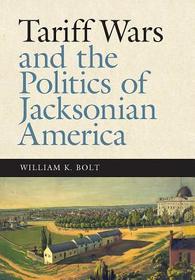
Tariff Wars and the Politics of Jacksonian America
-
10% KEDVEZMÉNY?
- A kedvezmény csak az 'Értesítés a kedvenc témákról' hírlevelünk címzettjeinek rendeléseire érvényes.
- Kiadói listaár GBP 32.00
-
15 288 Ft (14 560 Ft + 5% áfa)
Az ár azért becsült, mert a rendelés pillanatában nem lehet pontosan tudni, hogy a beérkezéskor milyen lesz a forint árfolyama az adott termék eredeti devizájához képest. Ha a forint romlana, kissé többet, ha javulna, kissé kevesebbet kell majd fizetnie.
- Kedvezmény(ek) 10% (cc. 1 529 Ft off)
- Kedvezményes ár 13 759 Ft (13 104 Ft + 5% áfa)
Iratkozzon fel most és részesüljön kedvezőbb árainkból!
Feliratkozom
15 288 Ft
Beszerezhetőség
Még nem jelent meg, de rendelhető. A megjelenéstől számított néhány héten belül megérkezik.
Why don't you give exact delivery time?
A beszerzés időigényét az eddigi tapasztalatokra alapozva adjuk meg. Azért becsült, mert a terméket külföldről hozzuk be, így a kiadó kiszolgálásának pillanatnyi gyorsaságától is függ. A megadottnál gyorsabb és lassabb szállítás is elképzelhető, de mindent megteszünk, hogy Ön a lehető leghamarabb jusson hozzá a termékhez.
A termék adatai:
- Kiadó University of Chicago Press
- Megjelenés dátuma 2026. március 25.
- Kötetek száma Paperback
- ISBN 9780826521378
- Kötéstípus Puhakötés
- Terjedelem320 oldal
- Méret 254x177 mm
- Súly 680 g
- Nyelv angol 700
Kategóriák
Rövid leírás:
Before the Civil War, the American people did not have to worry about a federal tax collector coming to their door. The reason why was the tariff, taxing foreign goods and imports on arrival in the United States. Tariff Wars and the Politics of Jacksonian America attempts to show why the tariff was an important part of the national narrative in the antebellum period.
TöbbHosszú leírás:
Before the Civil War, the American people did not have to worry about a federal tax collector coming to their door. The reason why was the tariff, taxing foreign goods and imports on arrival in the United States. Tariff Wars and the Politics of Jacksonian America attempts to show why the tariff was an important part of the national narrative in the antebellum period. The debates in Congress over the tariff were acrimonious, with pitched arguments between politicians, interest groups, newspapers, and a broader electorate.
The spreading of democracy caused by the tariff evoked bitter sectional controversy among Americans. Northerners claimed they needed a tariff to protect their industries and also their wages. Southerners alleged the tariff forced them to buy goods at increased prices. Having lost the argument against the tariff on its merits, in the 1820s, southerners began to argue the Constitution did not allow Congress to enact a protective tariff. In this fight, we see increased tensions between northerners and southerners in the decades before the Civil War began.
As Tariff Wars reveals, this struggle spawned a controversy that placed the nation on a path that would lead to the early morning hours of Charleston Harbor in April of 1861.