

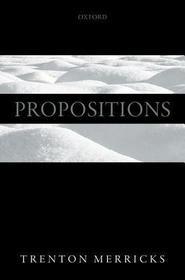
Propositions
-
10% KEDVEZMÉNY?
- A kedvezmény csak az 'Értesítés a kedvenc témákról' hírlevelünk címzettjeinek rendeléseire érvényes.
- Kiadói listaár GBP 75.00
-
33 862 Ft (32 250 Ft + 5% áfa)
Az ár azért becsült, mert a rendelés pillanatában nem lehet pontosan tudni, hogy a beérkezéskor milyen lesz a forint árfolyama az adott termék eredeti devizájához képest. Ha a forint romlana, kissé többet, ha javulna, kissé kevesebbet kell majd fizetnie.
- Kedvezmény(ek) 10% (cc. 3 386 Ft off)
- Kedvezményes ár 30 476 Ft (29 025 Ft + 5% áfa)
Iratkozzon fel most és részesüljön kedvezőbb árainkból!
Feliratkozom
33 862 Ft

Beszerezhetőség
Megrendelésre a kiadó utánnyomja a könyvet. Rendelhető, de a szokásosnál kicsit lassabban érkezik meg.
Why don't you give exact delivery time?
A beszerzés időigényét az eddigi tapasztalatokra alapozva adjuk meg. Azért becsült, mert a terméket külföldről hozzuk be, így a kiadó kiszolgálásának pillanatnyi gyorsaságától is függ. A megadottnál gyorsabb és lassabb szállítás is elképzelhető, de mindent megteszünk, hogy Ön a lehető leghamarabb jusson hozzá a termékhez.
A termék adatai:
- Kiadó OUP Oxford
- Megjelenés dátuma 2015. március 26.
- ISBN 9780198732563
- Kötéstípus Keménykötés
- Terjedelem248 oldal
- Méret 208x141x22 mm
- Súly 402 g
- Nyelv angol 0
Kategóriák
Rövid leírás:
Trenton Merricks presents an original argument for the existence of propositions, and defends an account of their nature. He draws a variety of controversial conclusions, for instance about supervaluationism, the nature of possible worlds, truths about non-existent entities, and whether and how logical consequence depends on modal facts.
TöbbHosszú leírás:
Propositions has two main goals. The first is to show that there are propositions. The second is to defend an account of their nature. While pursuing these goals, Trenton Merricks draws a variety of controversial conclusions about related issues, including, among others, supervaluationism, the nature of possible worlds, truths about non-existent entities, and whether and how logical consequence depends on modal facts.
An argument is modally valid just in case, necessarily, if its premises are true, then its conclusion is true. Propositions begins with the assumption that some arguments are modally valid. Merricks then argues that the premises and conclusions of modally valid arguments are not sentences. Instead, he argues, they are propositions. So, because there are modally valid arguments, there are propositions.
Merricks defends the claim that propositions are not structured and are not sets of possible worlds. He thereby presents arguments against the two leading accounts of the nature of propositions. Those arguments are intended not only to oppose those accounts, but also to deliver conclusions about what a satisfactory account of the nature of propositions should say. Of particular importance in this regard are arguments concerning the alleged explanations of how a set of possible worlds or a structured proposition would manage to represent thing as being a certain way. Merricks then defends his own account of the nature of propositions, which says only that each proposition is a necessary existent that essentially represents things as being a certain way.
The book is very clearly and effectively written, with an impressively tight and lucid argumentative structure. The view of propositions defended is original, as is the approach to defending it. It is very focused in its aims and scope ... Propositions is ambitious and important: it presents a very original view which should become a real contender in metaphysical discussions over the nature of propositions.
Tartalomjegyzék:
Acknowledgements
Introduction
Propositions and Modal Validity
Logical Validity and Modal Validity
Propositions Are Not Sets of Possible Worlds
Against Structured Propositions
Singular Propositions
The Nature of Propositions
References
Index

