

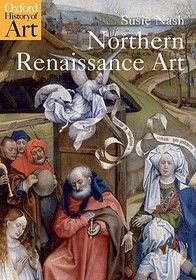
Northern Renaissance Art
Sorozatcím: Oxford History of Art;
-
10% KEDVEZMÉNY?
- A kedvezmény csak az 'Értesítés a kedvenc témákról' hírlevelünk címzettjeinek rendeléseire érvényes.
- Kiadói listaár GBP 24.99
-
11 282 Ft (10 745 Ft + 5% áfa)
Az ár azért becsült, mert a rendelés pillanatában nem lehet pontosan tudni, hogy a beérkezéskor milyen lesz a forint árfolyama az adott termék eredeti devizájához képest. Ha a forint romlana, kissé többet, ha javulna, kissé kevesebbet kell majd fizetnie.
- Kedvezmény(ek) 10% (cc. 1 128 Ft off)
- Kedvezményes ár 10 154 Ft (9 671 Ft + 5% áfa)
Iratkozzon fel most és részesüljön kedvezőbb árainkból!
Feliratkozom
11 282 Ft

Beszerezhetőség
Megrendelésre a kiadó utánnyomja a könyvet. Rendelhető, de a szokásosnál kicsit lassabban érkezik meg.
Why don't you give exact delivery time?
A beszerzés időigényét az eddigi tapasztalatokra alapozva adjuk meg. Azért becsült, mert a terméket külföldről hozzuk be, így a kiadó kiszolgálásának pillanatnyi gyorsaságától is függ. A megadottnál gyorsabb és lassabb szállítás is elképzelhető, de mindent megteszünk, hogy Ön a lehető leghamarabb jusson hozzá a termékhez.
A termék adatai:
- Kiadó OUP Oxford
- Megjelenés dátuma 2008. november 27.
- ISBN 9780192842695
- Kötéstípus Puhakötés
- Terjedelem368 oldal
- Méret 238x168x16 mm
- Súly 674 g
- Nyelv angol
- Illusztrációk 211 illustrations in full colour 0
Kategóriák
Rövid leírás:
The history of northern Renaissance art, from the late 14th to the early 16th century, drawing on a rich range of sources to show how northern European art dominated the visual culture of Europe in this formative period
TöbbHosszú leírás:
This book offers a wide-ranging introduction to the way that art was made, valued, and viewed in northern Europe in the age of the Renaissance, from the late fourteenth to the early years of the sixteenth century. Drawing on a rich range of sources, from inventories and guild regulations to poetry and chronicles, it examines everything from panel paintings to carved altarpieces.
While many little-known works are foregrounded, Susie Nash also presents new ways of viewing and understanding the more familiar, such as the paintings of Jan van Eyck, Rogier van der Weyden, and Hans Memling, by considering the social and economic context of their creation and reception. Throughout, Nash challenges the perception that Italy was the European leader in artistic innovation at this time, demonstrating forcefully that Northern art, and particularly that of the Southern Netherlands, dominated visual culture throughout Europe in this crucial period.
Nash weaves a broad, intricate tapestry of the cultures and material practices of art.
Tartalomjegyzék:
Introduction
Problems and Perspectives
Centres, Consumers, and Artists
Processes and Procedures
Using and Viewing
Notes
Further Reading
Timeline

