

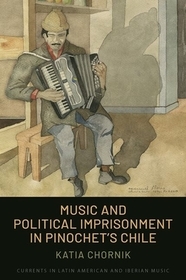
Music and Political Imprisonment in Pinochet's Chile
Sorozatcím: Currents in Latin American and Iberian Music;
-
10% KEDVEZMÉNY?
- A kedvezmény csak az 'Értesítés a kedvenc témákról' hírlevelünk címzettjeinek rendeléseire érvényes.
- Kiadói listaár GBP 22.99
-
10 379 Ft (9 885 Ft + 5% áfa)
Az ár azért becsült, mert a rendelés pillanatában nem lehet pontosan tudni, hogy a beérkezéskor milyen lesz a forint árfolyama az adott termék eredeti devizájához képest. Ha a forint romlana, kissé többet, ha javulna, kissé kevesebbet kell majd fizetnie.
- Kedvezmény(ek) 10% (kb. 1 038 Ft)
- Kedvezményes ár 9 341 Ft (8 897 Ft + 5% áfa)
Iratkozzon fel most és részesüljön kedvezőbb árainkból!
Feliratkozom
10 379 Ft

Beszerezhetőség
Megrendelésre a kiadó utánnyomja a könyvet. Rendelhető, de a szokásosnál kicsit lassabban érkezik meg.
Why don't you give exact delivery time?
A beszerzés időigényét az eddigi tapasztalatokra alapozva adjuk meg. Azért becsült, mert a terméket külföldről hozzuk be, így a kiadó kiszolgálásának pillanatnyi gyorsaságától is függ. A megadottnál gyorsabb és lassabb szállítás is elképzelhető, de mindent megteszünk, hogy Ön a lehető leghamarabb jusson hozzá a termékhez.
A termék adatai:
- Kiadó OUP USA
- Megjelenés dátuma 2025. december 19.
- ISBN 9780190052263
- Kötéstípus Puhakötés
- Terjedelem184 oldal
- Méret 236x158x11 mm
- Súly 281 g
- Nyelv angol
- Illusztrációk 24 647
Kategóriák
Rövid leírás:
Over 1,000 political imprisonment and torture centers existed across Chile during General Augusto Pinochet's dictatorship (1973-1990). Music was often present in those centers, both as a response to and part of human rights violations. In this pioneering book, Katia Chornik explores the relationships between music, politics, memory, and human rights, discussing a broad range of music experiences and repertoire and how these are remembered, preserved, and disseminated decades on. Chornik blends archival sources with interviews with ex-political prisoners, state agents, and visitors to prisons, demonstrating how music is an essential component of the cultural history and legacy of Pinochet's dictatorship.
TöbbHosszú leírás:
Over 1,000 political imprisonment and torture centers existed across Chile during the dictatorship of General Augusto Pinochet (1973-90). Music was often present in those centers, both as a response to and part of human rights violations. In this pioneering book, Katia Chornik explores the relationships between music, politics, memory, and human rights, discussing a broad range of music experiences and repertoire and how these are remembered, preserved, and disseminated decades later.
The book probes how pieces written, performed, and listened to in captivity are threaded into survivors' memories of mistreatment, resilience, and experiences beyond resistance. Chornik blends sources from the Cantos Cautivos digital archive with interviews with ex-political prisoners, agents of secret services, and visitors to prisons, proposing the notion of "memory cacophony" to describe the discordant kaleidoscope of voices, memories, repertoire, and experiences unveiled. Chornik demonstrates how music, as an expression of powerful lived experiences, is an essential component of the cultural history and legacy of the Pinochet period.
This work documents historical facts and invites deep reflection on the transformative power of music and memory. The meticulous research, ethical commitment, and profound empathy embedded in every page ensure that the voices of those silenced are preserved and honored. [...] To the readers, I encourage you to approach this book with an open heart and a reflective mind. Allow the stories to move you, challenge your perspectives, and deepen your understanding of resilience and the human spirit. This is not only a journey into the past but also an opportunity to reflect on our present and build a more just and compassionate world for everyone.
Tartalomjegyzék:
Prologue by Michelle Bachelet Jeria
Introduction
Music Threaded into Torture and Other Mistreatment
The Memories and Songs of a Convicted Perpetrator
Beyond Canonic Narratives of Resistance
Grassroots Commemoration and Revival
Archiving Memories: The Cantos Cautivos Digital Project
Coda

