

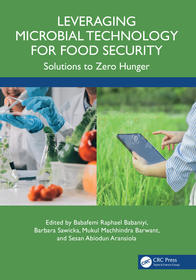
Leveraging Microbial Technology for Food Security
Solutions for Zero Hunger
-
10% KEDVEZMÉNY?
- Kiadói listaár GBP 200.00
-
90 300 Ft (86 000 Ft + 5% áfa)
Az ár azért becsült, mert a rendelés pillanatában nem lehet pontosan tudni, hogy a beérkezéskor milyen lesz a forint árfolyama az adott termék eredeti devizájához képest. Ha a forint romlana, kissé többet, ha javulna, kissé kevesebbet kell majd fizetnie.
- Kedvezmény(ek) 10% (cc. 9 030 Ft off)
- Kedvezményes ár 81 270 Ft (77 400 Ft + 5% áfa)
81 270 Ft

Beszerezhetőség
Még nem jelent meg, de rendelhető. A megjelenéstől számított néhány héten belül megérkezik.
Why don't you give exact delivery time?
A beszerzés időigényét az eddigi tapasztalatokra alapozva adjuk meg. Azért becsült, mert a terméket külföldről hozzuk be, így a kiadó kiszolgálásának pillanatnyi gyorsaságától is függ. A megadottnál gyorsabb és lassabb szállítás is elképzelhető, de mindent megteszünk, hogy Ön a lehető leghamarabb jusson hozzá a termékhez.
A termék adatai:
- Kiadás sorszáma 1
- Kiadó CRC Press
- Megjelenés dátuma 2026. június 5.
- ISBN 9781041095897
- Kötéstípus Keménykötés
- Terjedelem406 oldal
- Méret 254x178 mm
- Nyelv angol
- Illusztrációk 35 Illustrations, black & white; 22 Halftones, black & white; 13 Line drawings, black & white; 20 Tables, black & white 700
Kategóriák
Rövid leírás:
Microorganisms play a vital role in addressing global food security challenges. Leveraging Microbial Technology for Food Security: Solutions to Zero Hunger examines their diverse applications in achieving zero hunger with a focus on solutions that transform food production, improve nutrition, and reduce environmental impact.
Több
Hosszú leírás:
Microorganisms play a vital role in addressing global food security challenges. Leveraging Microbial Technology for Food Security: Solutions for Zero Hunger examines their diverse applications in achieving zero hunger with a focus on practical solutions that transform food production, improve nutrition, and reduce environmental impact. Topics include biofertilization, genetic engineering, waste management, and microbial fermentation for alternative protein sources.
Through global case studies, the book demonstrates how microbial innovations have improved food security and provided scalable, sustainable approaches to reducing hunger. It also explores the potential of microorganisms to diversify diets and lessen dependence on traditional agricultural systems.
Written for scholars, policymakers, educators, farmers, and students, this book combines scientific analysis with real-world examples. Featuring case studies, data visualizations, and actionable insights, it is a valuable resource for those interested in biotechnology, food systems, and sustainable development.
Több
Tartalomjegyzék:
Section One: Global Food Hunger. The Global Hunger Picture: Statistics and Definitions. Major Causes and Stages of Global Hunger. Impacts of Climate Change and Environmental Degradation on Food Security. Global Action to End Hunger: Initiatives and Challenges. Food Hunger and Public Health – Long-term Consequences. Section Two: Application of Microorganisms and Their Products in Zero Hunger to Fulfil SDGs. Microbial Innovations in the Fight Against Hunger. Microbial Technology for Biofertilizers and Biopesticides in Sustainable Agriculture. Increasing the Nutritional Value of Food with Microorganisms. Biotechnology and Genetic Engineering in Food Security. Microbial Biocontrol: Handling Insects and Pathogens Resistant to Drugs. Microbes in Aquaculture and Livestock. Section Three: Food Security Through Microbial Technology and Sustainable Agricultural Synergy. The Role of the Soil Microbiome in Sustainable Agriculture. Microorganisms Supporting Organic Food Production. Biological Control and Biopesticides. Agroecological Farming Systems Supported by Microorganisms. Challenges and the Future of Integrating Microbiology with Sustainable Agriculture. Section Four: Microbial Innovations for Climate-Resilient Agriculture. Microbial Innovations for Climate-Resilient Agriculture. Microbial Solutions for Reducing Greenhouse Gas Emissions in Agriculture. Bioremediation of Soils Damaged by Human Activity and Climate Change. The Role of Microorganisms in Extensive Agriculture and Pasture Management. Microbial Biotechnologies and the Future of Agriculture in a Changing Climate. Section Five: The Future of Microbial Technologies in Achieving Zero Hunger. Summary of Current Achievements and Challenges. The Role of Research and Innovation in the Future of Microbial Technologies. Sustainability and Future Agricultural Policies Supporting Microbial Technologies. Microorganisms in the Context of Global Trends: Precision Agriculture to Functional Foods. Future Vision: Path to Zero Hunger Using Microbial Technologies.
Több
