

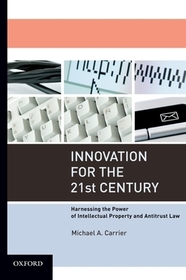
Innovation for the 21st Century
-
10% KEDVEZMÉNY?
- A kedvezmény csak az 'Értesítés a kedvenc témákról' hírlevelünk címzettjeinek rendeléseire érvényes.
- Kiadói listaár GBP 35.99
-
16 249 Ft (15 475 Ft + 5% áfa)
Az ár azért becsült, mert a rendelés pillanatában nem lehet pontosan tudni, hogy a beérkezéskor milyen lesz a forint árfolyama az adott termék eredeti devizájához képest. Ha a forint romlana, kissé többet, ha javulna, kissé kevesebbet kell majd fizetnie.
- Kedvezmény(ek) 10% (kb. 1 625 Ft)
- Kedvezményes ár 14 624 Ft (13 928 Ft + 5% áfa)
Iratkozzon fel most és részesüljön kedvezőbb árainkból!
Feliratkozom
16 249 Ft

Beszerezhetőség
Megrendelésre a kiadó utánnyomja a könyvet. Rendelhető, de a szokásosnál kicsit lassabban érkezik meg.
Why don't you give exact delivery time?
A beszerzés időigényét az eddigi tapasztalatokra alapozva adjuk meg. Azért becsült, mert a terméket külföldről hozzuk be, így a kiadó kiszolgálásának pillanatnyi gyorsaságától is függ. A megadottnál gyorsabb és lassabb szállítás is elképzelhető, de mindent megteszünk, hogy Ön a lehető leghamarabb jusson hozzá a termékhez.
A termék adatai:
- Kiadó OUP USA
- Megjelenés dátuma 2011. február 24.
- ISBN 9780199794287
- Kötéstípus Puhakötés
- Terjedelem416 oldal
- Méret 234x156x21 mm
- Súly 590 g
- Nyelv angol 0
Kategóriák
Rövid leírás:
Innovation is crucial to the U.S. economy, but it has been severely hampered in recent years by the legal system. This book demonstrates how current intellectual property and antitrust laws stifle innovation and offers ten specific proposals to counter this trend. Michael Carrier provides an accessible primer on intellectual property and antitrust law to provide the reader with the tools needed to follow the breaking innovation stories of the day.
TöbbHosszú leírás:
On their broadest level, the IP and antitrust laws aim to increase societal welfare. But they do so in different ways. The foundation of the IP system is the right to exclude. This right allows inventors to recover their investment costs and to obtain profits. Relatedly, it discourages "free riders" who imitate the invention and - because they have no investment costs to recover - undercut the price. The right to exclude, in short, is designed to increase innovation. The very exclusion at the heart of IP nonetheless might seem suspicious to antitrust, which focuses on harms to competition. The antitrust laws presume that competition leads to lower prices, higher output, and more innovation. They anticipate that certain agreements between competitors or conduct by monopolists prevents consumers from enjoying these benefits. In Innovation in the 21st Century: Harnessing the Power of Intellectual Property and Antitrust Law, Michael Carrier contends that intellectual property and antitrust, the two most important laws fostering innovation, are not being used most effectively to achieve this goal and offers various proposals that individually and collectively remedy this deficiency.
...provides an accessible yet in depth text on intellectual property, detailing patents, copyright and antitrust law and what impact they can have on innovation.
Tartalomjegyzék:
Introduction
Part I: Primer
Chapter 1. Innovation
Chapter 2. Intellectual Property
Chapter 3. Antitrust
Chapter 4. IP-Antitrust Intersection: 20th Century
Chapter 5. IP-Antitrust Intersection: 21st Century
Part II: Copyright
Chapter 6. Pioneering Peer-to-Peer and Other Disruptive Dual-Use Technologies
Chapter 7. Damaging Copyright Damages
Chapter 8. The Digital Millennium Copyright Act: From Pirates to User Innovators
Part III: Patent
Chapter 9. Better Patents: A Post-Grant Opposition Procedure
Chapter 10. Less Dangerous Patents: A Framework for Relief
Chapter 11. Biotechnology Dilemma 1: Patented Research Tools
Chapter 12. Biotechnology Dilemma 2: Material Transfer Agreements
Part IV: Antitrust
Chapter 13. Innovation Markets: Saving Lives and Money in the Pharmaceutical Industry
Chapter 14. Supporting Standard-Setting Organizations
Chapter 15. Unsettling Drug Patent Settlements: A Framework for Presumptive Illegality
Conclusion

