

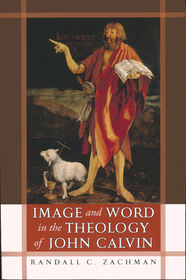
Image and Word in the Theology of John Calvin
-
10% KEDVEZMÉNY?
- A kedvezmény csak az 'Értesítés a kedvenc témákról' hírlevelünk címzettjeinek rendeléseire érvényes.
- Kiadói listaár GBP 31.00
-
14 810 Ft (14 105 Ft + 5% áfa)
Az ár azért becsült, mert a rendelés pillanatában nem lehet pontosan tudni, hogy a beérkezéskor milyen lesz a forint árfolyama az adott termék eredeti devizájához képest. Ha a forint romlana, kissé többet, ha javulna, kissé kevesebbet kell majd fizetnie.
- Kedvezmény(ek) 10% (cc. 1 481 Ft off)
- Kedvezményes ár 13 329 Ft (12 695 Ft + 5% áfa)
Iratkozzon fel most és részesüljön kedvezőbb árainkból!
Feliratkozom
14 810 Ft

Beszerezhetőség
Bizonytalan a beszerezhetőség. Érdemes még egyszer keresni szerzővel és címmel. Ha nem talál másik, kapható kiadást, forduljon ügyfélszolgálatunkhoz!
Why don't you give exact delivery time?
A beszerzés időigényét az eddigi tapasztalatokra alapozva adjuk meg. Azért becsült, mert a terméket külföldről hozzuk be, így a kiadó kiszolgálásának pillanatnyi gyorsaságától is függ. A megadottnál gyorsabb és lassabb szállítás is elképzelhető, de mindent megteszünk, hogy Ön a lehető leghamarabb jusson hozzá a termékhez.
A termék adatai:
- Kiadó MR – University of Notre Dame Press
- Megjelenés dátuma 2009. augusztus 15.
- Kötetek száma Print PDF
- ISBN 9780268045012
- Kötéstípus Puhakötés
- Terjedelem277 oldal
- Méret 234x157x33 mm
- Súly 960 g
- Nyelv angol 0
Kategóriák
Hosszú leírás:
"
In his groundbreaking new study of the Swiss reformer, Randall C. Zachman reveals and analyzes John Calvin's understanding of image and word both comprehensively and chronologically, with attention to the way that each theme develops in Calvin's theology.
Most scholars allege that John Calvin (1509–1564) insisted on the essential invisibility of God in order to deny that God could be represented in any kind of visible image. This claim formed one of his foundational arguments against the display of man-made images in worship. Given the transcendence of God, Calvin rejected the human attempt to create signs and symbols of God's presence on earth, especially the statues, images, and paintings present in Roman Catholic churches.
Zachman argues, in contrast, that although Calvin rejects the use of what he calls ""dead images"" in worship, he does so to focus our attention on the ""living images of God"" in which the invisible God becomes somewhat visible. Calvin insists that these images cannot rightly be contemplated without the Word of God to clarify their meaning; we are only led to the true knowledge of God when we hold together the living images of God that we see with the Word of God that we hear. This combination of seeing and hearing pervades Calvin's theology, from his understanding of the self-revelation of God the Creator to his development of the self-manifestation of God the Redeemer in Jesus Christ. According to Zachman, Calvin maintains the same linking of seeing and hearing in our relationships with other human beings: we must always hold together what we see in others' gestures and actions with what we hear in their words, so that the hidden thoughts of their hearts might be manifested to us.
Zachman's nuanced argument that Calvin holds image and word, manifestation and proclamation, in an inseparable relationship is relevant to all the major themes of Calvin's theology. It constitutes a highly significant and surprising contribution to our knowledge of the Reformation and an invitation to further study of theological aesthetics.
" Több
