

-
10% KEDVEZMÉNY?
- A kedvezmény csak az 'Értesítés a kedvenc témákról' hírlevelünk címzettjeinek rendeléseire érvényes.
- Kiadói listaár GBP 20.99
-
10 027 Ft (9 550 Ft + 5% áfa)
Az ár azért becsült, mert a rendelés pillanatában nem lehet pontosan tudni, hogy a beérkezéskor milyen lesz a forint árfolyama az adott termék eredeti devizájához képest. Ha a forint romlana, kissé többet, ha javulna, kissé kevesebbet kell majd fizetnie.
- Kedvezmény(ek) 10% (cc. 1 003 Ft off)
- Kedvezményes ár 9 025 Ft (8 595 Ft + 5% áfa)
Iratkozzon fel most és részesüljön kedvezőbb árainkból!
Feliratkozom
10 027 Ft

Beszerezhetőség
Becsült beszerzési idő: A Prosperónál jelenleg nincsen raktáron, de a kiadónál igen. Beszerzés kb. 3-5 hét..
A Prosperónál jelenleg nincsen raktáron.
Why don't you give exact delivery time?
A beszerzés időigényét az eddigi tapasztalatokra alapozva adjuk meg. Azért becsült, mert a terméket külföldről hozzuk be, így a kiadó kiszolgálásának pillanatnyi gyorsaságától is függ. A megadottnál gyorsabb és lassabb szállítás is elképzelhető, de mindent megteszünk, hogy Ön a lehető leghamarabb jusson hozzá a termékhez.
A termék adatai:
- Kiadó Indiana University Press
- Megjelenés dátuma 2016. december 26.
- Kötetek száma Print PDF
- ISBN 9780253022677
- Kötéstípus Puhakötés
- Terjedelem364 oldal
- Méret 229x216 mm
- Súly 1202 g
- Nyelv angol
- Illusztrációk 118 color illus. Halftones, color 0
Kategóriák
Hosszú leírás:
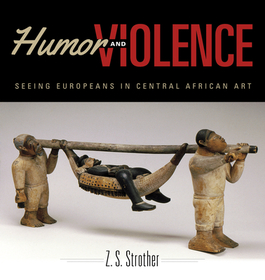
Humor and Violence examines the rich history of portraying Europeans in Central African art in images ranging from heart-wrenching scenes of human trafficking to playful parodies of colonialists. Z. S. Strother contends that the dialectic of humor and violence reveals deep insights into the psychology of power and resistance that continues to operate in the region today. Her argument is built on a set of works of art and demonstrates the important role that patronage and political and social history played in their creation. Strother conveys Central African ideas about how the therapeutic power of humor can initiate social change and upset power relations between oppressors and oppressed. This analysis plunges seemingly benign figures into a maelstrom of violence and crime–rape, murder, torture, and forced labor on a massive scale. By restoring the dialectic of humor, it reveals the complicated psychological codependency of Africans and Europeans over a long period of history and maintains that art plays a mediating function in the mechanics and ethics of power.
TöbbTartalomjegyzék:
Acknowledgments
Preface
1. Introduction
2. Warning! What do you see? A white man? Or an over-dressed one?
3. New Commodities on the Loango Coast (1840-1880)
4. Depictions of Human Trafficking on Loango Ivories in the 1880s
5. Humor in the Hygiene of Power (ca. 1885-1915)
6. By Congolese, for Congolese (1910s-40s)
7. The African Victim in the Congolese Imaginary (1950s-1997)
Coda: Congolese Perspectives on Humor and Redemption
Notes
Bibliography
Index

