

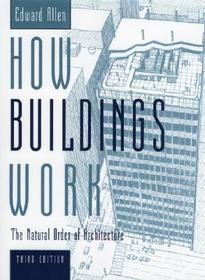
How Buildings Work
The Natural Order of Architecture
-
10% KEDVEZMÉNY?
- A kedvezmény csak az 'Értesítés a kedvenc témákról' hírlevelünk címzettjeinek rendeléseire érvényes.
- Kiadói listaár GBP 39.99
-
18 055 Ft (17 195 Ft + 5% áfa)
Az ár azért becsült, mert a rendelés pillanatában nem lehet pontosan tudni, hogy a beérkezéskor milyen lesz a forint árfolyama az adott termék eredeti devizájához képest. Ha a forint romlana, kissé többet, ha javulna, kissé kevesebbet kell majd fizetnie.
- Kedvezmény(ek) 10% (cc. 1 806 Ft off)
- Kedvezményes ár 16 249 Ft (15 476 Ft + 5% áfa)
Iratkozzon fel most és részesüljön kedvezőbb árainkból!
Feliratkozom
18 055 Ft

Beszerezhetőség
Megrendelésre a kiadó utánnyomja a könyvet. Rendelhető, de a szokásosnál kicsit lassabban érkezik meg.
Why don't you give exact delivery time?
A beszerzés időigényét az eddigi tapasztalatokra alapozva adjuk meg. Azért becsült, mert a terméket külföldről hozzuk be, így a kiadó kiszolgálásának pillanatnyi gyorsaságától is függ. A megadottnál gyorsabb és lassabb szállítás is elképzelhető, de mindent megteszünk, hogy Ön a lehető leghamarabb jusson hozzá a termékhez.
A termék adatai:
- Kiadás sorszáma 3
- Kiadó OUP USA
- Megjelenés dátuma 2005. szeptember 29.
- ISBN 9780195161984
- Kötéstípus Keménykötés
- Terjedelem288 oldal
- Méret 286x221x24 mm
- Súly 1052 g
- Nyelv angol
- Illusztrációk line illus. 0
Kategóriák
Hosszú leírás:
Illustrated with hundreds of illuminating line drawings, this classic guide reveals virtually every secret of a building's function: how it stands up, keeps its occupants safe and comfortable, gets built, grows old, and dies--and why some buildings do this so much better than others.
Drawing on things he's learned from the many buildings he himself designed (and in some cases built with his own hands), Edward Allen explains complex phenomena such as the role of the sun in heating buildings and the range of structural devices that are used for support, from trusses and bearing walls to post-tensioned concrete beams and corbeled vaults. He stresses the importance of intelligent design in dealing with such problems as overheating and overcooling, excessive energy use, leaky roofs and windows, fire safety, and noisy interiors. He serves up some surprises: thermal insulation is generally a better investment than solar collectors; board fences are not effective noise barriers; there's one type of window that can be left open during a rainstorm. The new edition emphasizes "green" architecture and eco-conscious design and construction. It features a prologue on sustainable construction, and includes new information on topics such as the collapse of the World Trade Center, sick building syndrome, and EIFS failures and how they could have been prevented. Allen also highlights the array of amazing new building materials now available, such as self-cleaning glass, photovoltaics, transparent ceramics, cloud gel, and super-high-strength concrete and structural fibers.
Edward Allen makes it easy for everyone--from armchair architects and sidewalk superintendents to students of architecture and construction--to understand the mysteries and complexities of even the largest building, from how it recycles waste and controls the movement of air, to how it is kept alive and growing.
'well written'

