

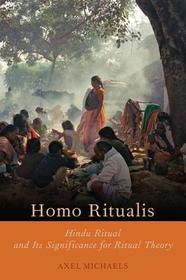
Homo Ritualis
Hindu Ritual and Its Significance to Ritual Theory
Sorozatcím: Oxford Ritual Studies Series;
-
10% KEDVEZMÉNY?
- A kedvezmény csak az 'Értesítés a kedvenc témákról' hírlevelünk címzettjeinek rendeléseire érvényes.
- Kiadói listaár GBP 150.00
-
67 725 Ft (64 500 Ft + 5% áfa)
Az ár azért becsült, mert a rendelés pillanatában nem lehet pontosan tudni, hogy a beérkezéskor milyen lesz a forint árfolyama az adott termék eredeti devizájához képest. Ha a forint romlana, kissé többet, ha javulna, kissé kevesebbet kell majd fizetnie.
- Kedvezmény(ek) 10% (kb. 6 773 Ft)
- Kedvezményes ár 60 953 Ft (58 050 Ft + 5% áfa)
Iratkozzon fel most és részesüljön kedvezőbb árainkból!
Feliratkozom
67 725 Ft

Beszerezhetőség
Megrendelésre a kiadó utánnyomja a könyvet. Rendelhető, de a szokásosnál kicsit lassabban érkezik meg.
Why don't you give exact delivery time?
A beszerzés időigényét az eddigi tapasztalatokra alapozva adjuk meg. Azért becsült, mert a terméket külföldről hozzuk be, így a kiadó kiszolgálásának pillanatnyi gyorsaságától is függ. A megadottnál gyorsabb és lassabb szállítás is elképzelhető, de mindent megteszünk, hogy Ön a lehető leghamarabb jusson hozzá a termékhez.
A termék adatai:
- Kiadó OUP USA
- Megjelenés dátuma 2016. január 7.
- ISBN 9780190262624
- Kötéstípus Keménykötés
- Terjedelem400 oldal
- Méret 160x239x25 mm
- Súly 686 g
- Nyelv angol
- Illusztrációk 3 illustrations 0
Kategóriák
Rövid leírás:
Homo Ritualis describes and analyzes various forms of Hindu rituals and examines conceptual components such as framing, formality modality and theories of meaning. The first book to present a Hindu theory of rituals, it asks how indigenous terms and notions of ritual contribute to ritual theory.
TöbbHosszú leírás:
Are the richness and diversity of rituals and celebrations in South Asia unique? Can we speak of a homo ritualis when it comes to India or Hinduism? Are Indians or Hindus more involved in rituals than other people? If so, what makes them special? Homo Ritualis is the first book to present a Hindu theory of rituals. Based on extensive textual studies and field-work in Nepal and India, Axel Michaels argues that ritual is a distinctive way of acting, which, as in the theater, can be distinguished from other forms of action. The book analyzes ritual in these cultural-specific and religious contexts, taking into account how indigenous terms and theories affect and contribute to current ritual theory. It describes and investigates various forms of Hindu rituals and festivals, such as life-cycle rituals, the Vedic sacrifice, vows processions, and the worship of deities (puja). It also examines conceptual components of (Hindu) rituals such as framing, formality, modality, and theories of meaning.
TöbbTartalomjegyzék:
Preface
Acknowledgements
Abbreviations
Plates and Figures
Pronunciation of Indian Words
Introduction
Part I: Framing
1. The Beginning of Rituals
1.1 The Solemn Intention (samkalpa)
1.2 Greeting and Ritualized Greeting (namaskara)
Conclusion
Part II: Formality
2. Repetitive Rules (vidhi)
2.1 The Grammar of Rituals
2.2 A Preliminary "Grammar" of Newar Life-cycle Rituals
2.3 Rituals in Handbooks (paddhati)
3. Agency in Ritual
3.1 Ritual Competency (adhikara)
3.2 Atonements for Ritual Mishaps (prayascitta)
3.3 The Comic Side of Ritual Formality
4. Performed and Played Rituals (lila)
4.1 Music and Ritual Music
4.2 Dance and Ritual Dance
4.3 Emotions and Ritual Emotions
Conclusion
Part III: Modality
5. Individualized and Domestic Rituals (samskara)
5.1 The Boy's Initiation
5.2 The Girl's Initiation
5.3 The Marriage
5.4 Death Rituals and Redemption
6. Collective and Public Rituals
6.1 Temple Festivals (utsava)
6.2 Vows (vrata)
6.3 Pilgrimages and Processions (yatra)
7. Transcendence in Rituals
7.1 The Vedic Sacrifice (yajña)
7.2 The Fire Sacrifice (homa)
7.3 Worship and Prayer (puja)
7.4 E-darshan and Cyber-puja
Conclusion
Part IV: Meaning
8. Meaning and Function
8.1 The Cultural Studies Approach
8.2 The Cognitive Sciences approach
9. The Purvamimamsa Theory of Ritual Efficacy
Conclusion
Part V: The Hindu Path of Ritual-Summary
Appendix: Automatic Detection of Ritual Structures
Glossary
References

