

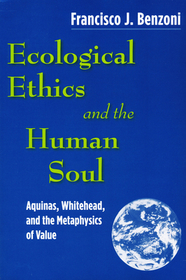
Ecological Ethics and the Human Soul
Aquinas, Whitehead, and the Metaphysics of Value
-
10% KEDVEZMÉNY?
- A kedvezmény csak az 'Értesítés a kedvenc témákról' hírlevelünk címzettjeinek rendeléseire érvényes.
- Kiadói listaár GBP 26.99
-
12 894 Ft (12 280 Ft + 5% áfa)
Az ár azért becsült, mert a rendelés pillanatában nem lehet pontosan tudni, hogy a beérkezéskor milyen lesz a forint árfolyama az adott termék eredeti devizájához képest. Ha a forint romlana, kissé többet, ha javulna, kissé kevesebbet kell majd fizetnie.
- Kedvezmény(ek) 10% (cc. 1 289 Ft off)
- Kedvezményes ár 11 605 Ft (11 052 Ft + 5% áfa)
Iratkozzon fel most és részesüljön kedvezőbb árainkból!
Feliratkozom
12 894 Ft

Beszerezhetőség
Becsült beszerzési idő: A Prosperónál jelenleg nincsen raktáron, de a kiadónál igen. Beszerzés kb. 3-5 hét..
A Prosperónál jelenleg nincsen raktáron.
Why don't you give exact delivery time?
A beszerzés időigényét az eddigi tapasztalatokra alapozva adjuk meg. Azért becsült, mert a terméket külföldről hozzuk be, így a kiadó kiszolgálásának pillanatnyi gyorsaságától is függ. A megadottnál gyorsabb és lassabb szállítás is elképzelhető, de mindent megteszünk, hogy Ön a lehető leghamarabb jusson hozzá a termékhez.
A termék adatai:
- Kiadó University of Notre Dame Press
- Megjelenés dátuma 2008. január 15.
- Kötetek száma Print PDF
- ISBN 9780268022051
- Kötéstípus Puhakötés
- Terjedelem262 oldal
- Méret 229x152x15 mm
- Súly 372 g
- Nyelv angol 0
Kategóriák
Hosszú leírás:
In Ecological Ethics and the Human Soul: Aquinas, Whitehead, and the Metaphysics of Value, Francisco J. Benzoni addresses the pervasive and destructive view that there is a moral gulf between human beings and other creatures. Thomas Aquinas, whose metaphysics entails such a moral gulf, holds that human beings are ultimately separate from nature. Alfred North Whitehead, in contrast, maintains that human beings are continuous with the rest of nature. These different metaphysical systems demand different ethical stances toward creation.
Benzoni analyzes and challenges Thomas's understanding of the human soul, his primary justification for the moral separation, arguing that it is finally philosophically untenable. The author finds promising the alternative metaphysics of Whitehead, for whom human beings are a part of nature---even if the highest part; all creatures have a degree of subjectivity and creativity, and thus all have intrinsic value and moral worth, independent of subjective human valuation. Further, though there is difference, there is no moral gulf between God and the world. God is truly affected by the experience of creatures. Benzoni argues that if this vision of moral worth is articulated with sufficient force and clarity, it could help heal the human relation to our planet.
Több
