

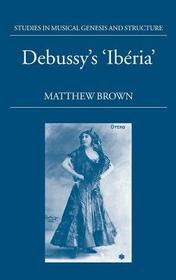
Debussy's 'Ibéria'
Sorozatcím: Studies in Musical Genesis, Structure & Interpretation;
-
10% KEDVEZMÉNY?
- A kedvezmény csak az 'Értesítés a kedvenc témákról' hírlevelünk címzettjeinek rendeléseire érvényes.
- Kiadói listaár GBP 172.50
-
77 883 Ft (74 175 Ft + 5% áfa)
Az ár azért becsült, mert a rendelés pillanatában nem lehet pontosan tudni, hogy a beérkezéskor milyen lesz a forint árfolyama az adott termék eredeti devizájához képest. Ha a forint romlana, kissé többet, ha javulna, kissé kevesebbet kell majd fizetnie.
- Kedvezmény(ek) 10% (cc. 7 788 Ft off)
- Kedvezményes ár 70 095 Ft (66 758 Ft + 5% áfa)
Iratkozzon fel most és részesüljön kedvezőbb árainkból!
Feliratkozom
77 883 Ft

Beszerezhetőség
Megrendelésre a kiadó utánnyomja a könyvet. Rendelhető, de a szokásosnál kicsit lassabban érkezik meg.
Why don't you give exact delivery time?
A beszerzés időigényét az eddigi tapasztalatokra alapozva adjuk meg. Azért becsült, mert a terméket külföldről hozzuk be, így a kiadó kiszolgálásának pillanatnyi gyorsaságától is függ. A megadottnál gyorsabb és lassabb szállítás is elképzelhető, de mindent megteszünk, hogy Ön a lehető leghamarabb jusson hozzá a termékhez.
A termék adatai:
- Kiadó OUP Oxford
- Megjelenés dátuma 2003. október 2.
- ISBN 9780198161998
- Kötéstípus Keménykötés
- Terjedelem194 oldal
- Méret 237x156x10 mm
- Súly 426 g
- Nyelv angol
- Illusztrációk numerous music examples and figures 0
Kategóriák
Rövid leírás:
Matthew Brown examines Debussy's sketches and drafts to show how the composer wrote one of his last great symphonic scores: Ibéria (from Images for orchestra). He describes the work's compositional history, the various intentional goals and historical contraints that guided Debussy's thinking, and some of the technical problems Debussy faced while composing this remarkable score.
TöbbHosszú leírás:
For well over a century musicologists have been fascinated by composers' manuscripts and by the insights they might reveal about the nature of musical composition. This book suggests ways in which Debussy's sketches and drafts may be used to explain how he composed one of his last great symphonic scores: Ibéria (from Images for orchestra, 1903-10). Part 1 shows how we might understand the process of musical composition as a form of expert problem solving; it describes the compositional history of the work, the various intentional goals and historical constraints that guided Debussy's thinking, and some of the technical problems Debussy faced while composing this remarkable score. Part 2 reconstructs the genesis of each of the three movements in turn.
Brown's insights into Iberia prove highly illuminating; his book is lucidly written and extremely generous with examples and documentation. It helps to have a score at hand , but even the most involved parts of the analysis flow easily, and one need not be either a specialist in Schenker or sketch studies to follow it.
Tartalomjegyzék:
Editor's Preface
Preface
Musical Composition and Problem Solving
Composition History and Musical Sources
Intentional Goals and Historical Constraints
Musical Problems and Search Strategies
'Par les rues e les chemins'
'Les Parfums de la nuit'
'Le Matin d'un jour de fête'
Sketch Studies and Musical Analysis
Bibliography
Index

