

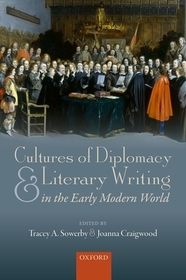
Cultures of Diplomacy and Literary Writing in the Early Modern World
-
10% KEDVEZMÉNY?
- A kedvezmény csak az 'Értesítés a kedvenc témákról' hírlevelünk címzettjeinek rendeléseire érvényes.
- Kiadói listaár GBP 96.00
-
43 344 Ft (41 280 Ft + 5% áfa)
Az ár azért becsült, mert a rendelés pillanatában nem lehet pontosan tudni, hogy a beérkezéskor milyen lesz a forint árfolyama az adott termék eredeti devizájához képest. Ha a forint romlana, kissé többet, ha javulna, kissé kevesebbet kell majd fizetnie.
- Kedvezmény(ek) 10% (cc. 4 334 Ft off)
- Kedvezményes ár 39 010 Ft (37 152 Ft + 5% áfa)
Iratkozzon fel most és részesüljön kedvezőbb árainkból!
Feliratkozom
43 344 Ft

Beszerezhetőség
Megrendelésre a kiadó utánnyomja a könyvet. Rendelhető, de a szokásosnál kicsit lassabban érkezik meg.
Why don't you give exact delivery time?
A beszerzés időigényét az eddigi tapasztalatokra alapozva adjuk meg. Azért becsült, mert a terméket külföldről hozzuk be, így a kiadó kiszolgálásának pillanatnyi gyorsaságától is függ. A megadottnál gyorsabb és lassabb szállítás is elképzelhető, de mindent megteszünk, hogy Ön a lehető leghamarabb jusson hozzá a termékhez.
A termék adatai:
- Kiadó OUP Oxford
- Megjelenés dátuma 2019. június 20.
- ISBN 9780198835691
- Kötéstípus Keménykötés
- Terjedelem300 oldal
- Méret 241x161x21 mm
- Súly 648 g
- Nyelv angol
- Illusztrációk 9 Illustrations 0
Kategóriák
Rövid leírás:
This interdisciplinary edited collection explores the relationship between literature and diplomacy in the early modern world and studies how texts played an integral part in diplomatic practice.
TöbbHosszú leírás:
This interdisciplinary volume explores core emerging themes in the study of early modern literary-diplomatic relations, developing essential methods of analysis and theoretical approaches that will shape future research in the field. Contributions focus on three intimately related areas: the impact of diplomatic protocol on literary production; the role of texts in diplomatic practice, particularly those that operated as 'textual ambassadors'; and the impact of changes in the literary sphere on diplomatic culture. The literary sphere held such a central place because it gave diplomats the tools to negotiate the pervasive ambiguities of diplomacy; simultaneously literary depictions of diplomacy and international law provided genre-shaped places for cultural reflection on the rapidly changing and expanding diplomatic sphere.
Translations exemplify the potential of literary texts both to provoke competition and to promote cultural convergence between political communities, revealing the existence of diplomatic third spaces in which ritual, symbolic, or written conventions and semantics converged despite particular oppositions and differences. The increasing public consumption of diplomatic material in Europe illuminates diplomatic and literary communities, and exposes the translocal, as well as the transnational, geographies of literary-diplomatic exchanges. Diplomatic texts possessed symbolic capital. They were produced, archived, and even redeployed in creative tension with the social and ceremonial worlds that produced them. Appreciating the generic conventions of specific types of diplomatic texts can radically reshape our interpretation of diplomatic encounters, just as exploring the afterlives of diplomatic records can transform our appreciation of the histories and literatures they inspired.
This collection--the Introduction and the four parts--is scholarship at its best, bringing together politics, literature, history, and other disciplines, and is more than the sum of its parts.
Tartalomjegyzék:
Introduction: Literary and Diplomatic Cultures in the Early Modern World
Part I. Literary Engagements
The Place of the Literary in European Diplomacy: Origin Myths in Ambassadorial Handbooks
Distinguished Visitors: Literary Genre and Diplomatic Space in Shakespeare, Calderón, and Proust
Lines of Amity: The Law of Nations: in the Americas
Diplomatic Pathos: Sidney's Brazen Fictions and the Troubled Origins of International Law
Part II. Translation
Translation and Communication: War and Peace by Other Means
The Politics of Translation: the Lusiads and European Diplomacy (1580-1664)
Translation and Cultural Convergence in Late Sixteenth-century Scotland and Huguenot France
Part III. Dissemination
Books as Diplomatic Agents: Milton in Sweden
Diplomatic Knowledge on Display: Foreign Affairs in the Early Modern English Public Sphere
A Diplomatic Narrative in the Archive: The War of Cyprus, Record Keeping Practices and Historical Research in the Early Modern Venetian Chancery
Part IV. Diplomatic Documents
Textual Ambassadors and Ambassadorial Texts: Literary Representation and Diplomatic Practice in George Turberville's and Thomas Randolph's Accounts of Russia (1568-9)
Diplomatic Writing as Aristocratic Self-fashioning: French Ambassadors in Constantinople
Negotiating with the Material Text: Royal Correspondence between England and the Wider World
Ritual Practice and Textual Representations: The Free Imperial Cities in the Society of Princes

