

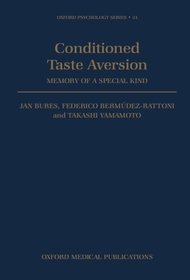
-
10% KEDVEZMÉNY?
- A kedvezmény csak az 'Értesítés a kedvenc témákról' hírlevelünk címzettjeinek rendeléseire érvényes.
- Kiadói listaár GBP 97.00
-
43 795 Ft (41 710 Ft + 5% áfa)
Az ár azért becsült, mert a rendelés pillanatában nem lehet pontosan tudni, hogy a beérkezéskor milyen lesz a forint árfolyama az adott termék eredeti devizájához képest. Ha a forint romlana, kissé többet, ha javulna, kissé kevesebbet kell majd fizetnie.
- Kedvezmény(ek) 10% (kb. 4 379 Ft)
- Kedvezményes ár 39 416 Ft (37 539 Ft + 5% áfa)
Iratkozzon fel most és részesüljön kedvezőbb árainkból!
Feliratkozom
43 795 Ft

Beszerezhetőség
Megrendelésre a kiadó utánnyomja a könyvet. Rendelhető, de a szokásosnál kicsit lassabban érkezik meg.
Why don't you give exact delivery time?
A beszerzés időigényét az eddigi tapasztalatokra alapozva adjuk meg. Azért becsült, mert a terméket külföldről hozzuk be, így a kiadó kiszolgálásának pillanatnyi gyorsaságától is függ. A megadottnál gyorsabb és lassabb szállítás is elképzelhető, de mindent megteszünk, hogy Ön a lehető leghamarabb jusson hozzá a termékhez.
A termék adatai:
- Kiadó OUP Oxford
- Megjelenés dátuma 1998. május 28.
- ISBN 9780198523475
- Kötéstípus Keménykötés
- Terjedelem192 oldal
- Méret 242x160x15 mm
- Súly 429 g
- Nyelv angol
- Illusztrációk line figures 0
Kategóriák
Rövid leírás:
Conditioned taste aversion (CTA) is a robust defence device protecting animals against repeated consumption of toxic food. It has a number of unusual properties contrasting sharply with the basic assumptions of traditional learning theories, which has brought it increasingly to the attention of neurobiologists interested in neural plasticity. This book, written by world experts in the subject, reviews the current state of research into CTA. The first book of its kind to provide an up-to-date summary of research into the neuroanatomy, pharmacology, electrophysiology, and functional morphology of CTA, it will be welcomed by all researchers and graduate students in the field.
TöbbHosszú leírás:
Conditioned taste aversion (CTA) is a robust defence device protecting animals against repeated consumption of toxic food. It is characterised by the ability of many animals to learn to avoid certain substances by their sight, smell, or taste after experiencing an unpleasant or harmful reaction to them. CTA is encountered at all levels of evolution, with similar forms of food aversion learning found in vertebrate and invertebrate species whose ancestral lines diverged more than 500 million years ago. CTA has a number of unusual properties contrasting sharply with the basic assumptions of traditional learning theories, which has brought it increasingly to the attention of neurobiologists interested in neural plasticity. In CTA, the usual time parameters between stimulus and aversion are relaxed considerably, frequently with delays of hours rather than seconds. Moreover, the critical stage of CTA acquisition may proceed under deep anaesthesia incompatible with other forms of learning. In the past decade several pivotal discoveries have considerably avanced our understanding of the neural processes underlying CTA, and opened new possibilities for their analysis at the molecular and cellular levels. This book, written by three of the world's leading researchers in the subject, comprehensively reviews the current state of research into conditioned taste aversion. The first book of its kind to provide an up-to-date summary of research into the neuroanatomy, pharmacology, electrophysiology, and functional morphology of CTA, it will be welcomed by all researchers and graduate students in the field.
TöbbTartalomjegyzék:
Preface
Ethology, physiological psychology, and neurobiology of CTA
The CTA paradigm: Terminology, methods, and conventions
Neuroanatomy of CTA: Lesions studies
Functional ablation studies of CTA
Pharmacology of CTA
Electrophysiology of CTA
Funtional morphology of CTA
Transplantation studies
Paradoxes, projections, and perspectives of CTA research
References
Index

