

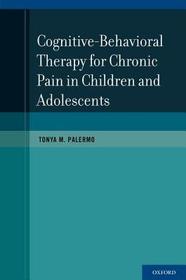
Cognitive-Behavioral Therapy for Chronic Pain in Children and Adolescents
-
10% KEDVEZMÉNY?
- A kedvezmény csak az 'Értesítés a kedvenc témákról' hírlevelünk címzettjeinek rendeléseire érvényes.
- Kiadói listaár GBP 73.00
-
34 875 Ft (33 215 Ft + 5% áfa)
Az ár azért becsült, mert a rendelés pillanatában nem lehet pontosan tudni, hogy a beérkezéskor milyen lesz a forint árfolyama az adott termék eredeti devizájához képest. Ha a forint romlana, kissé többet, ha javulna, kissé kevesebbet kell majd fizetnie.
- Kedvezmény(ek) 10% (cc. 3 488 Ft off)
- Kedvezményes ár 31 388 Ft (29 894 Ft + 5% áfa)
Iratkozzon fel most és részesüljön kedvezőbb árainkból!
Feliratkozom
34 875 Ft

Beszerezhetőség
Megrendelésre a kiadó utánnyomja a könyvet. Rendelhető, de a szokásosnál kicsit lassabban érkezik meg.
Why don't you give exact delivery time?
A beszerzés időigényét az eddigi tapasztalatokra alapozva adjuk meg. Azért becsült, mert a terméket külföldről hozzuk be, így a kiadó kiszolgálásának pillanatnyi gyorsaságától is függ. A megadottnál gyorsabb és lassabb szállítás is elképzelhető, de mindent megteszünk, hogy Ön a lehető leghamarabb jusson hozzá a termékhez.
A termék adatai:
- Kiadó OUP USA
- Megjelenés dátuma 2012. május 24.
- ISBN 9780199763979
- Kötéstípus Puhakötés
- Terjedelem240 oldal
- Méret 231x152x12 mm
- Súly 340 g
- Nyelv angol 0
Kategóriák
Rövid leírás:
Cognitive-Behavioral Therapy for Chronic Pain in Children and Adolescents provides instruction on the use of cognitive-behavioral therapy (CBT) for children and their families coping with the consequences of persisting pain.
TöbbHosszú leírás:
Chronic pain is a significant health problem for many children and adolescents and is often challenging for healthcare professionals to treat. Estimated to affect approximately 15% to 30% of children, chronic and recurrent pain occurs most commonly in the pediatric population without clearly identifiable underlying physical etiology, such as pain associated with irritable bowel syndrome, headaches, musculoskeletal pain, or complex regional pain syndrome. Chronic or recurrent pain may also be associated with ongoing underlying medical conditions, such as arthritis, cancer, Crohn's disease, or sickle cell disease.
Cognitive-Behavioral Therapy for Chronic Pain in Children and Adolescents provides a practical guide for implementing cognitive-behavioral therapy (CBT) for children and their families coping with the consequences of persisting pain. The book is divided into three sections. The first section presents a brief history, theoretical foundations, and background concerning the development of CBT interventions for children with chronic pain conditions and summarizes research results on the efficacy of CBT. Chapters in the second section cover assessment and evaluation approaches, patient education, and how to structure and sequence CBT interventions with children and families. The last section of the book describes in detail each cognitive-behavioral intervention, including relaxation and cognitive skills and interventions directed at parents, sleep problems, physical activity, and school functioning. Extensive suggested dialogue and detailed instructions and handouts are included in the text and accompanying appendices to provide user-friendly therapist training materials for successful application of clinical techniques to children and families. Cognitive-Behavioral Therapy for Chronic Pain in Children and Adolescents is an essential, evidence-based resource for pediatric and child clinical psychologists and other mental health professionals (social workers, child psychiatrists) who work with children in pain.
Tartalomjegyzék:
Part I: Introduction to cognitive-behavioral therapy for chronic pain in children and adolescents
1. The problem of chronic pain in children and adolescents
2. A brief history: development of CBT in pediatric pain management
3. The evidence base for cognitive-behavioral therapy for pediatric chronic pain
Part II: Assessment, education, and treatment planning
4. Assessment and evaluation
5. Education and treatment planning
Part III: Interventions
6. Relaxation, imagery, and biofeedback training
7. Parental intervention strategies
8. Cognitive skills training
9. School interventions
10. Sleep interventions
11. Lifestyle and physical activity interventions
12. Conclusions and future directions
Appendices
1. Pain diary
2. Educational resources for parents
3. Basic abdominal breathing instructions.
4. Progressive muscle relaxation script for younger children (under 10 years)
5. Progressive muscle relaxation script for older children (ages 10 and above)
6. Pleasant place imagery
7. Muscle relaxation with imagery script
8. Relaxation practice tips
9. Relaxation practice log and diary
10. Parent management guidelines
11. Point system contract and tracking calendar
12. Privilege system contract
13. Tips for parents to establish an effective reward system
14. Tips for establishing good communication habits
15. Positive coping self statements worksheet
16. Thought record
17. Thought-stopping instructions
18. Thought continuum exercise
19. School letter sample
20. Sleep diary
21. Tips for improving your sleep
22. Stimulus control instructions
23. Instructions for activity pacing
24. Pleasant activities chart
References
Index

