

-
10% KEDVEZMÉNY?
- A kedvezmény csak az 'Értesítés a kedvenc témákról' hírlevelünk címzettjeinek rendeléseire érvényes.
- Kiadói listaár GBP 9.99
-
4 510 Ft (4 295 Ft + 5% áfa)
Az ár azért becsült, mert a rendelés pillanatában nem lehet pontosan tudni, hogy a beérkezéskor milyen lesz a forint árfolyama az adott termék eredeti devizájához képest. Ha a forint romlana, kissé többet, ha javulna, kissé kevesebbet kell majd fizetnie.
- Kedvezmény(ek) 10% (kb. 451 Ft)
- Kedvezményes ár 4 059 Ft (3 866 Ft + 5% áfa)
Iratkozzon fel most és részesüljön kedvezőbb árainkból!
Feliratkozom
4 510 Ft

Beszerezhetőség
Becsült beszerzési idő: A Prosperónál jelenleg nincsen raktáron, de a kiadónál igen. Beszerzés kb. 3-5 hét..
A Prosperónál jelenleg nincsen raktáron.
Why don't you give exact delivery time?
A beszerzés időigényét az eddigi tapasztalatokra alapozva adjuk meg. Azért becsült, mert a terméket külföldről hozzuk be, így a kiadó kiszolgálásának pillanatnyi gyorsaságától is függ. A megadottnál gyorsabb és lassabb szállítás is elképzelhető, de mindent megteszünk, hogy Ön a lehető leghamarabb jusson hozzá a termékhez.
A termék adatai:
- Kiadó OUP Oxford
- Megjelenés dátuma 2022. április 28.
- ISBN 9780198755272
- Kötéstípus Puhakötés
- Terjedelem176 oldal
- Méret 175x112x10 mm
- Súly 134 g
- Nyelv angol
- Illusztrációk 30 black and white images 292
Kategóriák
Rövid leírás:
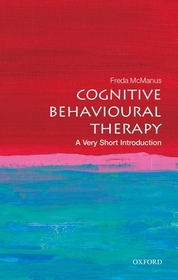
CBT is a form of psychological therapy with a range of approaches that share a common underpinning model of the importance of cognition and behaviour in alleviating psychological distress. This book gives an overview of what CBT is, what it does, when it can be used, and the ways in which the field can adapt to meet future challenges.
TöbbHosszú leírás:
Very Short Introductions: Brilliant, Sharp, Inspiring
Cognitive behaviour therapy (CBT) is a form of psychological therapy. It is not a unitary approach, but instead has evolved through a range of approaches that share a common underpinning model of cognition (thought) and behaviour being important in understanding and alleviating psychological distress. While the earliest approaches focused on modifying observable behaviour, later versions emphasized cognitive processes. Most recently, the third wave approaches in CBT have moved the focus away from the content of an individual's thoughts to their relationship with their thoughts, and the processes underlying thinking.
This Very Short Introduction gives an overview of what CBT is, where it came from, what it does, and when it can be used. It explores how one of the driving forces behind CBT's success and continued adaptation has been its basis in empiricism, and analyses how it must continue to evolve to meet future challenges. Looking to the future, Freda McManus also discusses how the scale of mental health problems and relative costs of traditional therapy formats have prompted investigations into alternative formats of CBT that have the potential to reach broader audiences, globally. She also considers the challenges of scale in training the workforce required to roll out such interventions, as well as those of determining the best ways of monitoring their competence and effectiveness.
ABOUT THE SERIES: The Very Short Introductions series from Oxford University Press contains hundreds of titles in almost every subject area. These pocket-sized books are the perfect way to get ahead in a new subject quickly. Our expert authors combine facts, analysis, perspective, new ideas, and enthusiasm to make interesting and challenging topics highly readable.
Tartalomjegyzék:
The behavioural origins of CBT.
Putting the 'C' into CBT
The theory behind CBT
The style and structure of CBT
CBT methods
Applications of CBT
Future directions and challenges
Further Reading
Index

