

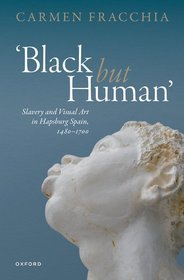
'Black but Human'
Slavery and Visual Art in Hapsburg Spain, 1480-1700
-
10% KEDVEZMÉNY?
- A kedvezmény csak az 'Értesítés a kedvenc témákról' hírlevelünk címzettjeinek rendeléseire érvényes.
- Kiadói listaár GBP 35.99
-
16 249 Ft (15 475 Ft + 5% áfa)
Az ár azért becsült, mert a rendelés pillanatában nem lehet pontosan tudni, hogy a beérkezéskor milyen lesz a forint árfolyama az adott termék eredeti devizájához képest. Ha a forint romlana, kissé többet, ha javulna, kissé kevesebbet kell majd fizetnie.
- Kedvezmény(ek) 10% (kb. 1 625 Ft)
- Kedvezményes ár 14 624 Ft (13 928 Ft + 5% áfa)
Iratkozzon fel most és részesüljön kedvezőbb árainkból!
Feliratkozom
16 249 Ft

Beszerezhetőség
Becsült beszerzési idő: A Prosperónál jelenleg nincsen raktáron, de a kiadónál igen. Beszerzés kb. 3-5 hét..
A Prosperónál jelenleg nincsen raktáron.
Why don't you give exact delivery time?
A beszerzés időigényét az eddigi tapasztalatokra alapozva adjuk meg. Azért becsült, mert a terméket külföldről hozzuk be, így a kiadó kiszolgálásának pillanatnyi gyorsaságától is függ. A megadottnál gyorsabb és lassabb szállítás is elképzelhető, de mindent megteszünk, hogy Ön a lehető leghamarabb jusson hozzá a termékhez.
A termék adatai:
- Kiadó OUP Oxford
- Megjelenés dátuma 2023. február 28.
- ISBN 9780198881063
- Kötéstípus Puhakötés
- Terjedelem256 oldal
- Méret 239x156x14 mm
- Súly 480 g
- Nyelv angol
- Illusztrációk 63 colour, 27 b/w, plus 16pp colour plate section 266
Kategóriák
Rövid leírás:
'Black but Human' is a proverb which emerges from the African work songs and poems written by Afro-Hispanics enslaved in Spain during the Hapsburg dynasty. Carmen Fracchia uses the lens of visuals arts and material culture to understand the representation and self-representation of Afro-Hispanic slaves and ex-slaves in this period.
TöbbHosszú leírás:
'Black but Human' is the first study to focus on the visual representations of African slaves and ex-slaves in Spain during the Hapsburg dynasty. The Afro-Hispanic proverb 'Black but Human' is the main thread of the six chapters and serves as a lens through which to explore the ways in which a certain visual representation of slavery both embodies and reproduces hegemonic visions of enslaved and liberated Africans, and at the same time provides material for critical and emancipatory practices by Afro-Hispanics themselves.
The African presence in the Iberian Peninsula between the late fifteenth century and the end of the seventeenth century was as a result of the institutionalization of the local and transatlantic slave trades. In addition to the Moors, Berbers, and Turks born as slaves, there were approximately two million enslaved people in the kingdoms of Castile, Aragón, and Portugal. The 'Black but Human' topos that emerges from the African work songs and poems written by Afro-Hispanics encodes the multi-layered processes through which a black emancipatory subject emerges and a 'black nation' forges a collective resistance. It is visually articulated by Afro-Hispanic and Spanish artists in religious paintings and in the genres of self-portraiture and portraiture. This extraordinary imagery coexists with the stereotypical representations of African slaves and ex-slaves by Spanish sculptors, engravers, jewellers, and painters mainly in the religious visual form and by European draftsmen and miniaturists, in their landscape drawings, and sketches for costume books.
The visual and textual evidence that it assembles will be of substantial interest to those who study the history of race and colour in visual culture, and its original framing opens the way to those who will wish to take its arguments further.
Tartalomjegyzék:
Introduction
'Black but Human'
What Is Human About Slavery?
Visual Culture and Slavery
Props and Costume
Commodification: 'Is There Any Caste Lower Than Blacks and Slaves From Guinea?'
The Image of Freedom: 'All Souls Are Of A Single Colour and They Are Wrought In The Same Workshop'
Conclusion

