

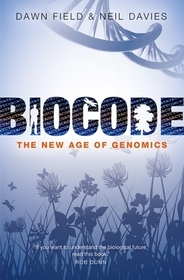
Biocode
The New Age of Genomics
-
10% KEDVEZMÉNY?
- A kedvezmény csak az 'Értesítés a kedvenc témákról' hírlevelünk címzettjeinek rendeléseire érvényes.
- Kiadói listaár GBP 12.99
-
5 864 Ft (5 585 Ft + 5% áfa)
Az ár azért becsült, mert a rendelés pillanatában nem lehet pontosan tudni, hogy a beérkezéskor milyen lesz a forint árfolyama az adott termék eredeti devizájához képest. Ha a forint romlana, kissé többet, ha javulna, kissé kevesebbet kell majd fizetnie.
- Kedvezmény(ek) 10% (cc. 586 Ft off)
- Kedvezményes ár 5 278 Ft (5 027 Ft + 5% áfa)
Iratkozzon fel most és részesüljön kedvezőbb árainkból!
Feliratkozom
5 864 Ft

Beszerezhetőség
Megrendelésre a kiadó utánnyomja a könyvet. Rendelhető, de a szokásosnál kicsit lassabban érkezik meg.
Why don't you give exact delivery time?
A beszerzés időigényét az eddigi tapasztalatokra alapozva adjuk meg. Azért becsült, mert a terméket külföldről hozzuk be, így a kiadó kiszolgálásának pillanatnyi gyorsaságától is függ. A megadottnál gyorsabb és lassabb szállítás is elképzelhető, de mindent megteszünk, hogy Ön a lehető leghamarabb jusson hozzá a termékhez.
A termék adatai:
- Kiadó OUP Oxford
- Megjelenés dátuma 2016. augusztus 25.
- ISBN 9780199687763
- Kötéstípus Puhakötés
- Terjedelem208 oldal
- Méret 195x139x12 mm
- Súly 160 g
- Nyelv angol
- Illusztrációk 9 black and white illustrations 60
Kategóriák
Rövid leírás:
In Biocode, Dawn Field and Neil Davies capture the scale and excitement of the rapidly growing field of genomics. From automatic DNA sequencing of newborns to synthetic life, and the sequencing of whole ecosystems, genomics is set to revolutionize our understanding of life on Earth and affect us all.
TöbbHosszú leírás:
The living world runs on genomic software - what Dawn Field and Neil Davies call the 'biocode' - the sum of all DNA on Earth. In Biocode, they tell the story of a new age of scientific discovery: the growing global effort to read and map the biocode, and what that might mean for the future. The structure of DNA was identified in 1953, and the whole human genome was mapped by 2003. Since then the new field of genomics has mushroomed and is now operating on an industrial scale. Genomes can now be sequenced rapidly and increasingly cheaply. The genomes of large numbers of organisms from mammals to microbes, have been mapped. Getting your genome sequenced is becoming affordable for many. You too can check paternity, find out where your ancestors came from, or whether you are at risk of some diseases. Some check out the pedigree of their pets, while others turn genomes into art. A stray hair is enough to crudely reconstruct the face of the owner. From reading to constructing: the first steps to creating artificial life have already been taken.
Some may find the rapidity of developments, and the potential for misuse, alarming. But they also open up unprecedented possibilities. The ability to read DNA has changed how we view ourselves and understand our place in nature. From the largest oceans, to the insides of our guts, we are able to explore the biosphere as never before, from the genome up. Sequencing technology has made the invisible world of microbes visible, and biodiversity genomics is revealing whole new worlds within us and without. The findings are transformational: we are all ecosystems now. Already the first efforts at 'barcoding' entire ecological communities and creating 'genomic observatories' have begun. The future, the authors argue, will involve biocoding the entire planet.
Review from previous edition Biocode provides a very readable overview of the broad impact of genomics on our understanding of life. I recommended it to readers of all levels with a love or fascination of science.
Tartalomjegyzék:
D.N.A
Personal Genomics
Homo evolutis
Zoo in My Sequencer
No Organism is an Island
Terra-genoming
We are all Ecosystems Now
Biocoding the Earth
References
Further Reading
Index

