

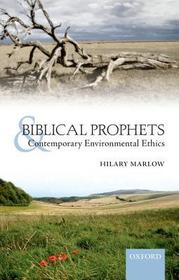
Biblical Prophets and Contemporary Environmental Ethics
-
15% KEDVEZMÉNY?
- A kedvezmény csak az 'Értesítés a kedvenc témákról' hírlevelünk címzettjeinek rendeléseire érvényes.
- Kiadói listaár GBP 45.99
-
20 764 Ft (19 775 Ft + 5% áfa)
Az ár azért becsült, mert a rendelés pillanatában nem lehet pontosan tudni, hogy a beérkezéskor milyen lesz a forint árfolyama az adott termék eredeti devizájához képest. Ha a forint romlana, kissé többet, ha javulna, kissé kevesebbet kell majd fizetnie.
- Kedvezmény(ek) % (cc. 0 Ft off)
- Kedvezményes ár 0 Ft (0 Ft + 5% áfa)
- A kedvezmény érvényes eddig: 2026. augusztus 5.
Iratkozzon fel most és részesüljön kedvezőbb árainkból!
Feliratkozom
20 764 Ft

Beszerezhetőség
Megrendelésre a kiadó utánnyomja a könyvet. Rendelhető, de a szokásosnál kicsit lassabban érkezik meg.
Why don't you give exact delivery time?
A beszerzés időigényét az eddigi tapasztalatokra alapozva adjuk meg. Azért becsült, mert a terméket külföldről hozzuk be, így a kiadó kiszolgálásának pillanatnyi gyorsaságától is függ. A megadottnál gyorsabb és lassabb szállítás is elképzelhető, de mindent megteszünk, hogy Ön a lehető leghamarabb jusson hozzá a termékhez.
A termék adatai:
- Kiadó OUP Oxford
- Megjelenés dátuma 2015. július 2.
- ISBN 9780198745105
- Kötéstípus Puhakötés
- Terjedelem354 oldal
- Méret 217x137x19 mm
- Súly 446 g
- Nyelv angol 0
Kategóriák
Rövid leírás:
In the context of growing concern over climate change, Hilary Marlow explores what an ecological reading of the biblical text can contribute to contemporary environmental ethics. Includes a survey of creation theology in church history and a detailed exegetical study of the texts of the biblical prophets Amos, Hosea, and First Isaiah.
TöbbHosszú leírás:
In the context of growing concern over climate change and other environmental pressures, Biblical Prophets and Contemporary Environmental Ethics explores what an ecological reading of the biblical text can contribute to contemporary environmental ethics. The Judaeo-Christian tradition has been held partly to blame for a negative attitude to creation - one that has legitimised the exploitative use of the earth's resources. Hilary Marlow explores some of the thinking in the history of the Christian tradition that has contributed to such a perception, before discussing a number of approaches to reading the Old Testament from an ecological perspective.
Through a detailed exegetical study of the texts of the biblical prophets Amos, Hosea, and First Isaiah, Marlow examines the portrayal of the relationship between YHWH the God of Israel, humanity and the non-human creation. In the course of this exegesis, searching questions emerge: what are the various understandings of the non-human creation that are present in the text? What assumptions are made about YHWH's relationship to the created world and how he acts within it? And what effect do the actions and choices of human beings have on the created world?
Following this close textual study, Marlow examines the problem of deriving ethical norms from the biblical text and discusses some key ethical debates in contemporary environmental theory. The book explores the potential contribution of the biblical exegesis to such debates and concludes by proposing an inter-relational model for reading the Old Testament prophets in the light of contemporary environmental ethics.
Tartalomjegyzék:
Foreword by John Barton
Introduction
Creation in Church History
Nature Versus History: An Artificial Divide
Ecological Hermeneutics: Meaning and Method
Who Can But Prophesy? Creation Dialogue in the Book of Amos
The People do not Know: Covenantal Failure in the Book of Hosea
The Vineyard of the Lord of Hosts: YHWH, the People and the Land in Isaiah 1-39
The Old Testament Prophets and Environmental Ethics: A Dialogue

