

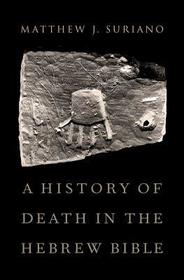
A History of Death in the Hebrew Bible
-
10% KEDVEZMÉNY?
- A kedvezmény csak az 'Értesítés a kedvenc témákról' hírlevelünk címzettjeinek rendeléseire érvényes.
- Kiadói listaár GBP 122.50
-
55 308 Ft (52 675 Ft + 5% áfa)
Az ár azért becsült, mert a rendelés pillanatában nem lehet pontosan tudni, hogy a beérkezéskor milyen lesz a forint árfolyama az adott termék eredeti devizájához képest. Ha a forint romlana, kissé többet, ha javulna, kissé kevesebbet kell majd fizetnie.
- Kedvezmény(ek) 10% (kb. 5 530 Ft)
- Kedvezményes ár 49 778 Ft (47 408 Ft + 5% áfa)
Iratkozzon fel most és részesüljön kedvezőbb árainkból!
Feliratkozom
55 308 Ft

Beszerezhetőség
Megrendelésre a kiadó utánnyomja a könyvet. Rendelhető, de a szokásosnál kicsit lassabban érkezik meg.
Why don't you give exact delivery time?
A beszerzés időigényét az eddigi tapasztalatokra alapozva adjuk meg. Azért becsült, mert a terméket külföldről hozzuk be, így a kiadó kiszolgálásának pillanatnyi gyorsaságától is függ. A megadottnál gyorsabb és lassabb szállítás is elképzelhető, de mindent megteszünk, hogy Ön a lehető leghamarabb jusson hozzá a termékhez.
A termék adatai:
- Kiadó OUP USA
- Megjelenés dátuma 2018. május 10.
- ISBN 9780190844738
- Kötéstípus Keménykötés
- Terjedelem314 oldal
- Méret 239x155x30 mm
- Súly 476 g
- Nyelv angol 0
Kategóriák
Rövid leírás:
- The meaning of the afterlife in the Hebrew Bible/Old Testament is studied through the ideals of a good death, beginning with burial customs. This book uses burial remains from Iron Age Judah to shed important light on the images of death found in biblical literature.
TöbbHosszú leírás:
Postmortem existence in the Hebrew Bible/Old Testament was rooted in mortuary practices and conceptualized through the embodiment of the dead. But this idea of the afterlife was not hopeless or fatalistic, consigned to the dreariness of the tomb. The dead were cherished and remembered, their bones were cared for, and their names lived on as ancestors. This book examines the concept of the afterlife in the Hebrew Bible by studying the treatment of the dead, as revealed both in biblical literature and in the material remains of the southern Levant. The mortuary culture of Judah during the Iron Age is the starting point for this study. The practice of collective burial inside a Judahite rock-cut bench tomb is compared to biblical traditions of family tombs and joining one's ancestors in death. This archaeological analysis, which also incorporates funerary inscriptions, will shed important insight into concepts found in biblical literature such as the construction of the soul in death, the nature of corpse impurity, and the idea of Sheol. In Judah and the Hebrew Bible, death was a transition that was managed through the ritual actions of the living. The connections that were forged through such actions, such as ancestor veneration, were socially meaningful for the living and insured a measure of immortality for the dead.
Suriano has produced a nuanced, yet accessible study of the history of death in the Hebrew Bible that astutely intertwines insights from material culture of Iron Age Judah and from relevant bibli-cal texts. It will help scholars, theologians, and pastors reflect on the role of rituals that relate to death, the significant place that the body occupies in mortuary practices, and the relational layers that surround death in which the family and the individual, the dead and the living, relate to one another and to the Deity.
Tartalomjegyzék:
Acknowledgements
Abbreviations
Note on Sources
Chronology
Map
Prolegomenon: The Afterlife Embodied
Part I: The Archaeology of Death in Iron Age Judah
Chapter One: Death as Transition in Judahite Mortuary Practices
Chapter Two: The History of the Judahite Bench Tomb
Chapter Three: Writing and the Tomb
Part II: Death and the Afterlife in the Hebrew Bible
Chapter Four: Care for the Dead
Chapter Five: The Narrative of Bones
Chapter Six: The Tomb and the Identity of the Dead
Chapter Seven: Death, Dying, and the Liminality of Sheol
Epilogue: The Invisible Tomb

