

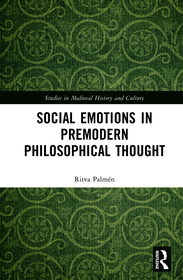
-
10% KEDVEZMÉNY?
- Kiadói listaár GBP 155.00
-
69 982 Ft (66 650 Ft + 5% áfa)
Az ár azért becsült, mert a rendelés pillanatában nem lehet pontosan tudni, hogy a beérkezéskor milyen lesz a forint árfolyama az adott termék eredeti devizájához képest. Ha a forint romlana, kissé többet, ha javulna, kissé kevesebbet kell majd fizetnie.
- Kedvezmény(ek) 10% (cc. 6 998 Ft off)
- Kedvezményes ár 62 984 Ft (59 985 Ft + 5% áfa)
62 984 Ft

Beszerezhetőség
Még nem jelent meg, de rendelhető. A megjelenéstől számított néhány héten belül megérkezik.
Why don't you give exact delivery time?
A beszerzés időigényét az eddigi tapasztalatokra alapozva adjuk meg. Azért becsült, mert a terméket külföldről hozzuk be, így a kiadó kiszolgálásának pillanatnyi gyorsaságától is függ. A megadottnál gyorsabb és lassabb szállítás is elképzelhető, de mindent megteszünk, hogy Ön a lehető leghamarabb jusson hozzá a termékhez.
A termék adatai:
- Kiadás sorszáma 1
- Kiadó Routledge
- Megjelenés dátuma 2026. szeptember 18.
- ISBN 9781041355762
- Kötéstípus Keménykötés
- Terjedelem276 oldal
- Méret 234x156 mm
- Nyelv angol
- Illusztrációk 1 Tables, black & white 0
Kategóriák
Rövid leírás:
Social Emotions in Premodern Philosophical Thought examines how late antique and medieval philosophers and theologians understood emotions that are constitutively shaped by social relations—emotions through which individuals negotiate status, normativity, self‑evaluation, and communal belonging.
TöbbHosszú leírás:
In recent decades, emotion studies have expanded rapidly across the humanities and social sciences, yet the philosophical analysis of social emotions in premodern thought has remained strikingly underdeveloped. Social Emotions in Premodern Philosophical Thought addresses this gap by examining how late antique and medieval philosophers and theologians understood emotions that are constitutively shaped by social relations—emotions through which individuals negotiate status, normativity, self‑evaluation, and communal belonging. Drawing on a wide range of sources from antiquity to the late Middle Ages, the book shows that social emotions were central to philosophical anthropology, moral psychology, and theological reflection.
Combining close textual analysis, historical semantics, and doxography, the book develops a pragmatic taxonomy of social emotions and offers sustained analyses of shame, humility, envy, hope, compassion, love, and anger. Rather than treating emotions in isolation, it reconstructs the networks in which emotions mutually shape, constrain, and educate one another. The study demonstrates how premodern thinkers understood emotions as intentional, value‑laden, and morally significant states that mediate between private experience and public life. By integrating philosophical, theological, and often overlooked monastic sources, the book broadens the canon of the history of philosophy and challenges modern assumptions that sharply separate reason, emotion, and moral agency.
This book will be of interest to scholars and advanced students in the history of philosophy, medieval studies, theology, and moral psychology, as well as researchers working in contemporary emotion studies who seek historically grounded perspectives on social emotions.
TöbbTartalomjegyzék:
Acknowledgments
1. Introduction: Studying Social Emotions in the History of Philosophy
2. Shame: Self‑Regulation, Moral Agency, and Social Fit
3. Humility and the Ethics of Self‑Governance
4. Envy: Social Comparison, Rivalry, and Emulation
5. Hope: Calculation of Difficulties and Resources
6. Compassion and Pity: From Co‑Feeling to Civic Practice
7. Love: Bonds, Orders, and Medieval Social Ontology
8. Anger: Relational Enforcement and Its Limits
9. Emotions, Self, and Others: Networks of Social Life
Bibliography
Index
Több
