

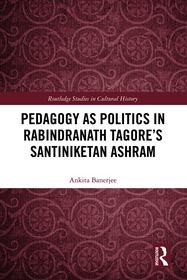
-
10% KEDVEZMÉNY?
- Kiadói listaár GBP 155.00
-
69 982 Ft (66 650 Ft + 5% áfa)
Az ár azért becsült, mert a rendelés pillanatában nem lehet pontosan tudni, hogy a beérkezéskor milyen lesz a forint árfolyama az adott termék eredeti devizájához képest. Ha a forint romlana, kissé többet, ha javulna, kissé kevesebbet kell majd fizetnie.
- Kedvezmény(ek) 10% (cc. 6 998 Ft off)
- Kedvezményes ár 62 984 Ft (59 985 Ft + 5% áfa)
62 984 Ft

Beszerezhetőség
Becsült beszerzési idő: A Prosperónál jelenleg nincsen raktáron, de a kiadónál igen. Beszerzés kb. 3-5 hét..
A Prosperónál jelenleg nincsen raktáron.
Why don't you give exact delivery time?
A beszerzés időigényét az eddigi tapasztalatokra alapozva adjuk meg. Azért becsült, mert a terméket külföldről hozzuk be, így a kiadó kiszolgálásának pillanatnyi gyorsaságától is függ. A megadottnál gyorsabb és lassabb szállítás is elképzelhető, de mindent megteszünk, hogy Ön a lehető leghamarabb jusson hozzá a termékhez.
A termék adatai:
- Kiadás sorszáma 1
- Kiadó Routledge
- Megjelenés dátuma 2026. április 12.
- ISBN 9781032427249
- Kötéstípus Keménykötés
- Terjedelem198 oldal
- Méret 229x152 mm
- Súly 530 g
- Nyelv angol
- Illusztrációk 4 Illustrations, black & white; 2 Halftones, black & white; 2 Line drawings, black & white; 1 Tables, black & white 695
Kategóriák
Rövid leírás:
This book demonstrates that Rabindranath Tagore, the poet-educator, was an intensely political figure with a distinctive vision of politics.
TöbbHosszú leírás:
This book demonstrates that Rabindranath Tagore, the poet-educator, was an intensely political figure with a distinctive vision of politics.
Its innovative approach treats the educational pedagogy of Tagore practised at his ashram in Santiniketan as the most eloquent expression of his political will. In doing so, it identifies three key ideas, swadeshbhakti, mukti, and manush, as the pillars of his political vision. Using a combination of conceptual and textual analysis, this book explores a wealth of archival sources—manuscripts, letters, journals, newspapers, and magazines—as well as Tagore’s rich body of work.
The hitherto untold story of Tagore’s Santiniketan ashram vis-à-vis the political landscape of twentieth-century India will make this book particularly interesting to Tagore scholars, but it will also be of interest to scholars of South Asian history and global conceptual history, as well those in undergraduate and postgraduate studies looking to familiarise themselves with the history of twentieth-century India.
TöbbTartalomjegyzék:
Introduction; 1. Tagore’s ideas on education: Comparing Santiniketan ashram with the Kanya Mahavidyalay and The Dawn Society; 2. Santiniketan ashram’s political context: Swadeshi Bengal of the early twentieth century Tagore’s political context; 3. Dharmashiksha and swadeshbhakti at the Santiniketan ashram; 4. Mukti versus swaraj: Freedom at the Santiniketan ashram; 5. Conquering ethnic identities: Manush as Tagore’s notion of unique individuals at the Santiniketan ashram; Concluding Remarks; Bibliography; Index
Több
