

-
10% KEDVEZMÉNY?
- A kedvezmény csak az 'Értesítés a kedvenc témákról' hírlevelünk címzettjeinek rendeléseire érvényes.
- Kiadói listaár GBP 90.00
-
40 635 Ft (38 700 Ft + 5% áfa)
Az ár azért becsült, mert a rendelés pillanatában nem lehet pontosan tudni, hogy a beérkezéskor milyen lesz a forint árfolyama az adott termék eredeti devizájához képest. Ha a forint romlana, kissé többet, ha javulna, kissé kevesebbet kell majd fizetnie.
- Kedvezmény(ek) % (cc. 0 Ft off)
- Kedvezményes ár 0 Ft (0 Ft + 5% áfa)
Iratkozzon fel most és részesüljön kedvezőbb árainkból!
Feliratkozom
40 635 Ft

Beszerezhetőség
Még nem jelent meg, de rendelhető. A megjelenéstől számított néhány héten belül megérkezik.
Why don't you give exact delivery time?
A beszerzés időigényét az eddigi tapasztalatokra alapozva adjuk meg. Azért becsült, mert a terméket külföldről hozzuk be, így a kiadó kiszolgálásának pillanatnyi gyorsaságától is függ. A megadottnál gyorsabb és lassabb szállítás is elképzelhető, de mindent megteszünk, hogy Ön a lehető leghamarabb jusson hozzá a termékhez.
A termék adatai:
- Kiadó Cambridge University Press
- Megjelenés dátuma 2026. augusztus 31.
- ISBN 9781009544405
- Kötéstípus Keménykötés
- Terjedelem323 oldal
- Nyelv angol 0
Kategóriák
Rövid leírás:
A compelling look at the work of enslaved women forced to prepare food for the enslaved, rather than enslavers.
TöbbHosszú leírás:
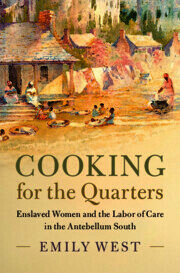
Women who prepared food for enslaved people, rather than enslavers, have been neglected in historical scholarship. Their labor within the quarters has been marginalized, belittled, and even ignored, because it fell within the remit of gendered care and nurture. In this book, Emily West illustrates how these mostly older women performed vital roles in slaveholding sites, as their enslavers increasingly tried to regulate food distribution, preparation, and consumption. Enslavers attempted to impose highly efficient, communal food regimes to minimize waste and time lost from work elsewhere. They routinely tasked older women with the feeding and care of infants, but also deployed them to prepare food for children and enslaved adults to eat collectively. Conversely, in the relative privacy of the quarters, where enslaved people preferred to eat, cooking became both a form of gendered exploitation, and an expression of love, empowerment, and pleasure.
TöbbTartalomjegyzék:
Introduction; 1. Enslaved women and infant care; 2. Enslaved women and wetnursing; 3. Enslaved women and the feeding of children; 4. Collective eating regimes and enslaved adults; 5. Cooking and eating within the quarters; Conclusion.
Több
