

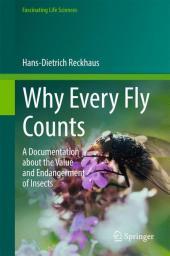
Why Every Fly Counts
A Documentation about the Value and Endangerment of Insects
Sorozatcím: Fascinating Life Sciences;
-
12% KEDVEZMÉNY?
- Kiadói listaár EUR 35.30
-
13 788 Ft (13 131 Ft + 5% áfa)
Az ár azért becsült, mert a rendelés pillanatában nem lehet pontosan tudni, hogy a beérkezéskor milyen lesz a forint árfolyama az adott termék eredeti devizájához képest. Ha a forint romlana, kissé többet, ha javulna, kissé kevesebbet kell majd fizetnie.
- Kedvezmény(ek) 12% (cc. 1 655 Ft off)
- Kedvezményes ár 12 133 Ft (11 555 Ft + 5% áfa)
12 133 Ft

Beszerezhetőség
Bizonytalan a beszerezhetőség. Érdemes még egyszer keresni szerzővel és címmel. Ha nem talál másik, kapható kiadást, forduljon ügyfélszolgálatunkhoz!
Why don't you give exact delivery time?
A beszerzés időigényét az eddigi tapasztalatokra alapozva adjuk meg. Azért becsült, mert a terméket külföldről hozzuk be, így a kiadó kiszolgálásának pillanatnyi gyorsaságától is függ. A megadottnál gyorsabb és lassabb szállítás is elképzelhető, de mindent megteszünk, hogy Ön a lehető leghamarabb jusson hozzá a termékhez.
A termék adatai:
- Kiadás sorszáma 1st ed. 2017
- Kiadó Springer, Berlin
- Megjelenés dátuma 2017. január 1.
- Kötetek száma 1 pieces, Book
- ISBN 9783319587646
- Kötéstípus Keménykötés
- Terjedelem111 oldal
- Méret 243x154x12 mm
- Súly 348 g
- Nyelv angol
- Illusztrációk 19 Farbabb., 19 Farbtabellen Illustrations, color 0
Kategóriák
Rövid leírás:
Threatening pests or threatened beneficials? Biting midges are wonderful insects. The animals are so tiny and uniquely shaped that they are particularly good at pollinating the small and tight flowers of the cocoa tree. Without them, there would be much less chocolate. We associate other insects more with the damage that they cause. Mosquitoes and wasps bite us. Moth larvae damage textiles and contaminate foods. Ants undermine our paths and flies are just a pain.But what exactly is our relationship with insects? Are they more beneficial or harmful? What role do they play in the world? What are the effects of climate change: Will the number of insects continue to increase?This book discusses the beneficial and harmful effects of insects and explains their development and significance for biodiversiy.
TöbbHosszú leírás:
This book discusses the beneficial and harmful effects of insects and explains their development and significance for biodiversity. Threatening pests or threatened beneficials? Biting midges are wonderful insects. The animals are so tiny and uniquely shaped that they are particularly good at pollinating the small and tight flowers of the cocoa tree. Without them, there would be much less chocolate. We associate other insects more with the damage that they cause. Mosquitoes and wasps bite us. Moth larvae damage textiles and contaminate foods. Ants undermine our paths and flies are just a pain.But what exactly is our relationship with insects? Are they more beneficial or harmful? What role do they play in the world? What are the effects of climate change: Will the number of insects continue to increase?
"Reckhaus, educated as an economist with biocide manufacturing as a vocation, offers readers a thoughtful consideration of what value they might assign to a fly. ... The text is helpfully illustrated with color photographs; references are provided for each chapter, and a glossary can be found at the back. This is an excellent overview of insects by a citizen scientist. ... Recommended for undergraduate collections." (M. K. Harris, Choice, Vol. 56 (1), September, 2018)
Tartalomjegyzék:
Foreword
Introduction
1. Insects as Beneficials
1.1 Insects Pollinate Plants
1.1.1 Pollination
1.1.2 Plants and their Pollinators
1.1.3 Flies, the Unknown Pollinators
1.1.4 The Value of Insect Pollination
1.2 Insects Accelerate Plant Growth
1.3 Insects Promote Biodiversity
1.4 Insects Connect the Food Chain
1.5 Insects as the Most Important Element of Nutrition
1.5.1 Insects as Food
1.5.2 Insects as Feed
1.6 Insects Help Considerably with Hygiene
1.7 Insects as Inexpensive Biocide Alternatives
1.8 Insects Support the Economy and Society Science, Textile Production, Medicine, Chemistry, Criminology
2. Insects as Pests
2.1 Insects as a Danger to Humans
2.1.1 Virus
-Transmitting Insects
2.1.2 Causes and Trends of Virus Transmission
2.1.3 Diseases that Are Caused by Mosquitoes: Chikungunya Fever, Dengue Fever, Yellow Fever, Japanese Encephalitis, Leishmaniasis, Malaria, St. Louis Encephalitis, West
-Nile Fever
2.1.4 Diseases that Are Caused by Ticks: Tick
-Borne Encephalitis (TBE), Crimean
-Congo
-Hemorrhagic Fever, Lyme Borreliosis, Q
-Fever, Rickettsia
2.1.5 Other Dangers Caused by Insects: Tsetse Fly, Sarcoptes, "Killer Bees", Wasps and Bees, Dust Mines, Fleas, Lice, Oak Processionary Moth
2.2 Insects as a Danger to Animals
2.2.1 Nagana
2.2.2 Bluetongue Disease
2.2.3 Schmallenberg Virus
2.2.4 Louping Ill
2.3 Insects as a Danger to Plants
2.3.1 Agricultural Damage in Developing and Threshold Nations: Danger to the Manioc Plant due to Insects, Spreading of Fruit
Flies, Locust Infestations, Storage Pests
2.3.2 Agricultural Damage in Europe: European Corn Borer, Introduced Pests, "Post
-Harvest" Damage
2.3.3 Forest Damage
3. Insects Today and in the Future
3.1 Anthropogenic Effets on Habitats
3.1.1 Climate Change
3.1.2 Urbanization and Traffic
3.1.3 Agriculture
3.1.4 Sulfur and Nitrogen Emissions
3.1.5 Forestry
3.2 Population Development
3.3 Outlook
4. Conclusion: Hated, Threatened and Worth Protecting
List of Insects
Glossary
Notes
Why Every Exchange Counts (Thanks)

