
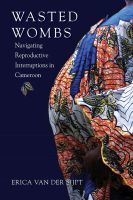
Wasted Wombs – Navigating Reproductive Interruptions in Cameroon
Navigating Reproductive Interruptions in Cameroon
-
10% KEDVEZMÉNY?
- A kedvezmény csak az 'Értesítés a kedvenc témákról' hírlevelünk címzettjeinek rendeléseire érvényes.
- Kiadói listaár GBP 80.00
-
38 220 Ft (36 400 Ft + 5% áfa)
Az ár azért becsült, mert a rendelés pillanatában nem lehet pontosan tudni, hogy a beérkezéskor milyen lesz a forint árfolyama az adott termék eredeti devizájához képest. Ha a forint romlana, kissé többet, ha javulna, kissé kevesebbet kell majd fizetnie.
- Kedvezmény(ek) 10% (cc. 3 822 Ft off)
- Kedvezményes ár 34 398 Ft (32 760 Ft + 5% áfa)
Iratkozzon fel most és részesüljön kedvezőbb árainkból!
Feliratkozom
38 220 Ft
Beszerezhetőség
Még nem jelent meg, de rendelhető. A megjelenéstől számított néhány héten belül megérkezik.
Why don't you give exact delivery time?
A beszerzés időigényét az eddigi tapasztalatokra alapozva adjuk meg. Azért becsült, mert a terméket külföldről hozzuk be, így a kiadó kiszolgálásának pillanatnyi gyorsaságától is függ. A megadottnál gyorsabb és lassabb szállítás is elképzelhető, de mindent megteszünk, hogy Ön a lehető leghamarabb jusson hozzá a termékhez.
A termék adatai:
- Kiadó University of Chicago Press
- Megjelenés dátuma 2026. március 25.
- Kötetek száma Hardback
- ISBN 9780826521699
- Kötéstípus Keménykötés
- Terjedelem280 oldal
- Méret 228x152 mm
- Súly 565 g
- Nyelv angol 700
Kategóriák
Rövid leírás:
Central to the book are Gbigbil women's experiences with different &&&8220;reproductive interruptions&&&8221;: miscarriages, stillbirths, child deaths, induced abortions, and infertility. Rather than consider these events as inherently dissimilar, the Gbigbil women of eastern Cameroon see them all as instances of &&&8220;wasted wombs&&&8221; that leave their reproductive trajectories hanging in the balance.
TöbbHosszú leírás:
Central to the book are Gbigbil women's experiences with different ""reproductive interruptions"": miscarriages, stillbirths, child deaths, induced abortions, and infertility. Rather than consider these events as inherently dissimilar, as women do in Western countries, the Gbigbil women of eastern Cameroon see them all as instances of ""wasted wombs"" that leave their reproductive trajectories hanging in the balance. The women must navigate this uncertainty while negotiating their social positions, aspirations for the future, and the current workings of their bodies.
Providing an intimate look into these processes, Wasted Wombs shows how Gbigbil women constantly shift their interpretations of when a pregnancy starts, what it contains, and what is lost in case of a reproductive interruption, in contrast to Western conceptions of fertility and loss. Depending on the context and on their life aspirations&&&8212;be it marriage and motherhood, or rather an educational trajectory, employment, or profitable sexual affairs with so-called ""big fish""&&&8212;women negotiate and manipulate the meanings and effects of reproductive interruptions. Paradoxically, they often do so while portraying themselves as powerless. Wasted Wombs carefully analyzes such tactics in relation to the various social predicaments that emerge around reproductive interruptions, as well as the capricious workings of women's physical bodies.