

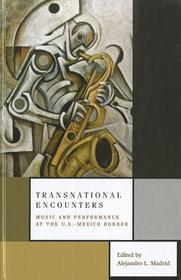
Transnational Encounters
Music and Performance at the U.S.-Mexico Border
-
10% KEDVEZMÉNY?
- A kedvezmény csak az 'Értesítés a kedvenc témákról' hírlevelünk címzettjeinek rendeléseire érvényes.
- Kiadói listaár GBP 125.00
-
56 437 Ft (53 750 Ft + 5% áfa)
Az ár azért becsült, mert a rendelés pillanatában nem lehet pontosan tudni, hogy a beérkezéskor milyen lesz a forint árfolyama az adott termék eredeti devizájához képest. Ha a forint romlana, kissé többet, ha javulna, kissé kevesebbet kell majd fizetnie.
- Kedvezmény(ek) 10% (kb. 5 643 Ft)
- Kedvezményes ár 50 794 Ft (48 375 Ft + 5% áfa)
Iratkozzon fel most és részesüljön kedvezőbb árainkból!
Feliratkozom
56 437 Ft

Beszerezhetőség
Megrendelésre a kiadó utánnyomja a könyvet. Rendelhető, de a szokásosnál kicsit lassabban érkezik meg.
Why don't you give exact delivery time?
A beszerzés időigényét az eddigi tapasztalatokra alapozva adjuk meg. Azért becsült, mert a terméket külföldről hozzuk be, így a kiadó kiszolgálásának pillanatnyi gyorsaságától is függ. A megadottnál gyorsabb és lassabb szállítás is elképzelhető, de mindent megteszünk, hogy Ön a lehető leghamarabb jusson hozzá a termékhez.
A termék adatai:
- Kiadó OUP USA
- Megjelenés dátuma 2011. november 17.
- ISBN 9780199735921
- Kötéstípus Keménykötés
- Terjedelem424 oldal
- Méret 160x236x33 mm
- Súly 680 g
- Nyelv angol 0
Kategóriák
Rövid leírás:
This book explores the transnational connections that inform the large diversity of musical traditions from the U.S.-Mexico border while keeping an eye on their powerful local significance, in an attempt to redefine notions like "border," "nation," "migration," and "diaspora."
TöbbHosszú leírás:
Through the study of a large variety of musical practices from the U.S.-Mexico border, this book seeks to provide a new perspective on the complex character of this geographic area. By focusing not only on nortena, banda or conjunto musics (the most stereotypical musical traditions among Hispanics in the area) but also engaging a number of musical practices that have often been neglected in the study of this border's history and culture (indigenous musics, African American musical traditions, pop musics), the authors in this book provide a glance into the diversity of ethnic groups that have encountered each other throughout the area's history. Against common misconceptions about the U.S.-Mexico border as a predominant Mexican area, this book argues that it is diversity and not homogeneity what characterizes it. From a wide variety of disciplinary and multidisciplinary enunciations, the essays in this book explore the transnational connections that inform these musical cultures while keeping an eye on their powerful local significance, in an attempt to redefine notions like "border, " "nation, " "migration, " "diaspora, " etc. Looking at music and its performative power through the looking glass of cultural criticism allows this book to contribute to larger intellectual concerns and help redefine the field of U.S.-Mexico border studies beyond the North/South and American/Mexican dichotomies. Furthermore, the essays in this book, from a wide variety of disciplinary and multidisciplinary enunciations, problematize some of the widespread misconceptions about U.S.-Mexico border history and culture in the current debate about immigration.
Forthcoming.
9780252034091, Olga Najera-Ramirez, Norma E. Cantu, and Brenda M. Romero/Dancing across Borders. Danzas y Bailes Mexicanos, $80, University of Illinois Press, 2009.
Tartalomjegyzék:
List of Figures
List of Music Examples
Acknowledgements
Map of the U.S.-Mexico Border
Chapter 1. Transnational Musical Encounters at the U.S.-Mexico Border: An Introduction by Alejandro L. Madrid
I. Border Meanings
Chapter 2. Reggae on the Border: The Possibilities of a Frontera Soundscape by Luis Alvarez
Chapter 3. Breaking Borders / Quebrando fronteras: Dancing in the Borderscape by Sydney Hutchinson
Chapter 4. Narcocorridos: Narratives of a Cultural Persona and Power on the Border by Mark C. Edberg
II. Nationalisms
Chapter 5. Mariachi Reimaginings: Encounters with Technology, Aesthetics, and Identity by Donald Henriques
Chapter 6. "This is Our Música, Guy!: Tejanos and Ethno/Regional Musical Nationalism by José E. Limón
III. Indigeneity and Modernity
Chapter 7. Re-localized Rap and its Representation of the Hombre digno by Helena Simonett
Chapter 8. Waila as Transnational Practice by Joan Titus
IV. Cultural Citizenship and Rights
Chapter 9. Transnational Identity, the Singing of and the

