

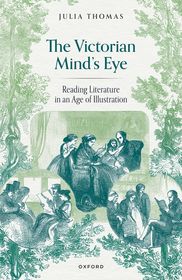
The Victorian Mind's Eye
Reading Literature in an Age of Illustration
-
20% KEDVEZMÉNY?
- A kedvezmény csak az 'Értesítés a kedvenc témákról' hírlevelünk címzettjeinek rendeléseire érvényes.
- Kiadói listaár GBP 77.00
-
34 765 Ft (33 110 Ft + 5% áfa)
Az ár azért becsült, mert a rendelés pillanatában nem lehet pontosan tudni, hogy a beérkezéskor milyen lesz a forint árfolyama az adott termék eredeti devizájához képest. Ha a forint romlana, kissé többet, ha javulna, kissé kevesebbet kell majd fizetnie.
- Kedvezmény(ek) 20% (cc. 6 953 Ft off)
- Kedvezményes ár 27 812 Ft (26 488 Ft + 5% áfa)
- A kedvezmény érvényes eddig: 2026. június 30.
Iratkozzon fel most és részesüljön kedvezőbb árainkból!
Feliratkozom
34 765 Ft

Beszerezhetőség
Becsült beszerzési idő: A Prosperónál jelenleg nincsen raktáron, de a kiadónál igen. Beszerzés kb. 3-5 hét..
A Prosperónál jelenleg nincsen raktáron.
Why don't you give exact delivery time?
A beszerzés időigényét az eddigi tapasztalatokra alapozva adjuk meg. Azért becsült, mert a terméket külföldről hozzuk be, így a kiadó kiszolgálásának pillanatnyi gyorsaságától is függ. A megadottnál gyorsabb és lassabb szállítás is elképzelhető, de mindent megteszünk, hogy Ön a lehető leghamarabb jusson hozzá a termékhez.
A termék adatai:
- Kiadó OUP Oxford
- Megjelenés dátuma 2025. február 6.
- ISBN 9780198914600
- Kötéstípus Keménykötés
- Terjedelem224 oldal
- Méret 241x60x15 mm
- Súly 428 g
- Nyelv angol
- Illusztrációk 29 black and white illustrations 687
Kategóriák
Rövid leírás:
The book provides a major insight into the Victorian age of illustration. The presence of images on the page (from newspapers and magazines to advertisements) was said to impact on whether readers created 'images' in their mind as they read. This book conceptualises this new way of reading and its cultural implications
TöbbHosszú leírás:
The Victorian Mind's Eye: Reading Literature in an Age of Illustration
The Victorians lived in an age of illustration. In a matter of decades, words and images had become enmeshed and entangled, printed alongside each other in a spectacular array of printed forms. The exponential growth of illustration not only radically changed literature, but also changed the way that literature was read.
This book offers a major conceptualisation of the difference that pictures made to the reading of words. Analysing an extensive range of illustrated material and drawing on the accounts of Victorian readers, reviewers, authors, artists, and psychologists, the book describes how the Victorians characterised the effects of illustration, and how illustrations, in turn, elicited and anticipated responses from their readers. What emerges from these sources is the notion of a distinct mode of reading that determined readers' material and mental engagements with illustrated literature. The presence of images on the page was said to impact on whether readers created images in their mind as they read. Illustrations generated feelings of pleasure or displeasure; they determined what was read first, what was recalled, and what was etched in the memory.
By peering into the recesses of the mind's eye, this book identifies the cognitive mechanisms and cultural politics that were central to how the Victorians described their reading of illustrated literature. It suggests the significance of these ideas of reading for understanding the place of illustration in Victorian culture and the relation between words, pictures, and historical values and meanings. Illustration was fundamental to how the Victorians read, and to how we read the Victorians.
Thomas has provided a book which greatly expands the field of illustration studies It will undoubtedly provide a conceptual framework for future studies in which the working of the Victorians' seeing and reading will be traced in ever greater detail.
Tartalomjegyzék:
Introduction: Reading Victorian illustration
Reading and the mind's eye: Victorian debates about illustration and mental imagery
Out of order reading: how the Victorians put the pictures first
Reading for (dis)pleasure
The networked reading of Victorian illustrations
Reading and memory: how the Victorians remembered illustrations
Conclusion: Victorian reading now

