

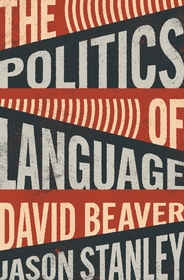
The Politics of Language
-
10% KEDVEZMÉNY?
- A kedvezmény csak az 'Értesítés a kedvenc témákról' hírlevelünk címzettjeinek rendeléseire érvényes.
- Kiadói listaár GBP 20.00
-
9 030 Ft (8 600 Ft + 5% áfa)
Az ár azért becsült, mert a rendelés pillanatában nem lehet pontosan tudni, hogy a beérkezéskor milyen lesz a forint árfolyama az adott termék eredeti devizájához képest. Ha a forint romlana, kissé többet, ha javulna, kissé kevesebbet kell majd fizetnie.
- Kedvezmény(ek) 10% (kb. 903 Ft)
- Kedvezményes ár 8 127 Ft (7 740 Ft + 5% áfa)
Iratkozzon fel most és részesüljön kedvezőbb árainkból!
Feliratkozom
9 030 Ft

Beszerezhetőség
Becsült beszerzési idő: A Prosperónál jelenleg nincsen raktáron, de a kiadónál igen. Beszerzés kb. 3-5 hét..
A Prosperónál jelenleg nincsen raktáron.
Why don't you give exact delivery time?
A beszerzés időigényét az eddigi tapasztalatokra alapozva adjuk meg. Azért becsült, mert a terméket külföldről hozzuk be, így a kiadó kiszolgálásának pillanatnyi gyorsaságától is függ. A megadottnál gyorsabb és lassabb szállítás is elképzelhető, de mindent megteszünk, hogy Ön a lehető leghamarabb jusson hozzá a termékhez.
A termék adatai:
- Kiadó Princeton University Press
- Megjelenés dátuma 2025. október 28.
- Kötetek száma Print PDF
- ISBN 9780691242750
- Kötéstípus Puhakötés
- Terjedelem520 oldal
- Méret 234x155 mm
- Súly 720 g
- Nyelv angol 743
Kategóriák
Hosszú leírás:
A provocative case for the inherently political nature of language
In The Politics of Language, David Beaver and Jason Stanley present a radical new approach to the theory of meaning, offering an account of communication in which political and social identity, affect, and shared practices play as important a role as information. This new view of language, they argue, has dramatic consequences for free speech, democracy, and a range of other areas in which speech plays a central role.
Drawing on a wealth of disciplines, The Politics of Language argues that the function of speech—whether in dialogue, larger group interactions, or mass communication—is to attune people to something, be it a shared reality, emotion, or identity. Reconceptualizing the central ideas of pragmatics and semantics, Beaver and Stanley apply their account to a range of phenomena that defy standard frameworks in linguistics and philosophy of language—from dog whistles and covert persuasion to echo chambers and genocidal speech. The authors use their framework to show that speech is inevitably political because all communication is imbued with the resonances of particular ideologies and their normative perspectives on reality.
At a time when democracy is under attack, authoritarianism is on the rise, and diversity and equality are being demanded, The Politics of Language offers a powerful new vision of the language of politics, ideology, and protest.
"“The Politics of Language is a massive accomplishment — novel, nuanced, and timely. It is especially impressive for its rich synthesis of disparate literatures from outside of analytic philosophy, ranging from information theory to social identity and critical race theories…It thereby offers a fertile resource for explaining a wide range of phenomena that are typically ignored by philosophers and linguists, such as gestures, music, and monuments. It also offers a powerful tool for illuminating the politics of language, understood not just as speech produced by politicians or about politics, but all speech – indeed all action – that involves communal coordination and contestation.”"---Elisabeth Camp, Mind Több

