

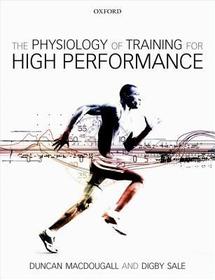
The Physiology of Training for High Performance
-
10% KEDVEZMÉNY?
- A kedvezmény csak az 'Értesítés a kedvenc témákról' hírlevelünk címzettjeinek rendeléseire érvényes.
- Kiadói listaár GBP 57.99
-
26 182 Ft (24 935 Ft + 5% áfa)
Az ár azért becsült, mert a rendelés pillanatában nem lehet pontosan tudni, hogy a beérkezéskor milyen lesz a forint árfolyama az adott termék eredeti devizájához képest. Ha a forint romlana, kissé többet, ha javulna, kissé kevesebbet kell majd fizetnie.
- Kedvezmény(ek) 10% (kb. 2 618 Ft)
- Kedvezményes ár 23 564 Ft (22 442 Ft + 5% áfa)
Iratkozzon fel most és részesüljön kedvezőbb árainkból!
Feliratkozom
26 182 Ft

Beszerezhetőség
Megrendelésre a kiadó utánnyomja a könyvet. Rendelhető, de a szokásosnál kicsit lassabban érkezik meg.
Why don't you give exact delivery time?
A beszerzés időigényét az eddigi tapasztalatokra alapozva adjuk meg. Azért becsült, mert a terméket külföldről hozzuk be, így a kiadó kiszolgálásának pillanatnyi gyorsaságától is függ. A megadottnál gyorsabb és lassabb szállítás is elképzelhető, de mindent megteszünk, hogy Ön a lehető leghamarabb jusson hozzá a termékhez.
A termék adatai:
- Kiadó OUP Oxford
- Megjelenés dátuma 2014. augusztus 7.
- ISBN 9780199650644
- Kötéstípus Puhakötés
- Terjedelem440 oldal
- Méret 244x190x21 mm
- Súly 835 g
- Nyelv angol 0
Kategóriák
Rövid leírás:
Provides a thorough, evidence-based understanding of the physiological bases of training for high performance sport to empower students, athletes, and coaches to make informed decisions over the most effective training methods.
TöbbHosszú leírás:
Success for an athlete depends on their ability to perform at their best when it matters most. Performance depends on the athlete's body having acquired the most beneficial adaptations for their sport. But how can an athlete or coach be sure that training results in the desired adaptations?
Training can be defined as the stimulation of biological adaptations that result in an improvement in performance in a given task. Athletes and coaches have learned, mostly through trial and error, how to exploit the ability of the body to adapt in response to potentially harmful stimuli. The challenge lies in applying the right stimuli at the right intensity for the right amount of time: muscles respond to working more forcefully than normal by becoming bigger, stronger, and more resistant to damage, but over-training can lead to injury. This book provides the information necessary to decide on the most effective way to improve performance, underpinned by an understanding of the mechanisms behind adaptation and thoroughly supported by scientific research.
The Physiology of Training for High Performance begins by introducing the reader to the concept and physiological bases of adaptation. The authors then delve into training for different outcomes, for example, improved endurance or speed, and relate the discussion to various sports and events. Finally, the authors summarize the latest research surrounding additional factors that affect an athlete's performance and potential, including tapering, nutrition, and body composition.
Online Resource Centre
The Online Resource Centre to accompany The Physiology of Training for High Performance features:
For students:
BL Multiple choice questions to check understanding and aid revision
BL Links to sources of further information
For registered adopters of the book:
BL Figures from the book, available for download
Tartalomjegyzék:
Part I: Physiological bases for athletic training
Introduction to training for high performance
Biochemical bases for performance
Cardiorespiratory bases for performance
Muscle physiology
Neuromuscular bases for performance
Part II: Training for different sports and activities
Training for endurance sports
Training for anaerobic events and team sports
Training for strength, power and speed
Part III: Additional factors affecting performance
Peaking, tapering and overtraining
Stretching and flexibility
Other considerations

