

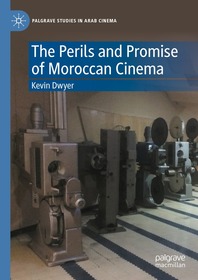
The Perils and Promise of Moroccan Cinema
Sorozatcím: Palgrave Studies in Arab Cinema;
-
12% KEDVEZMÉNY?
- Kiadói listaár EUR 160.49
-
66 563 Ft (63 393 Ft + 5% áfa)
Az ár azért becsült, mert a rendelés pillanatában nem lehet pontosan tudni, hogy a beérkezéskor milyen lesz a forint árfolyama az adott termék eredeti devizájához képest. Ha a forint romlana, kissé többet, ha javulna, kissé kevesebbet kell majd fizetnie.
- Kedvezmény(ek) 12% (cc. 7 988 Ft off)
- Kedvezményes ár 58 575 Ft (55 786 Ft + 5% áfa)
58 575 Ft

Beszerezhetőség
Megrendelésre a kiadó utánnyomja a könyvet. Rendelhető, de a szokásosnál kicsit lassabban érkezik meg.
Why don't you give exact delivery time?
A beszerzés időigényét az eddigi tapasztalatokra alapozva adjuk meg. Azért becsült, mert a terméket külföldről hozzuk be, így a kiadó kiszolgálásának pillanatnyi gyorsaságától is függ. A megadottnál gyorsabb és lassabb szállítás is elképzelhető, de mindent megteszünk, hogy Ön a lehető leghamarabb jusson hozzá a termékhez.
A termék adatai:
- Kiadó Springer Nature Switzerland
- Megjelenés dátuma 2025. március 14.
- Kötetek száma 1 pieces, Book
- ISBN 9783031821813
- Kötéstípus Keménykötés
- Terjedelem400 oldal
- Méret 210x148 mm
- Nyelv angol
- Illusztrációk XXI, 400 p. 56 illus., 53 illus. in color. Illustrations, black & white 714
Kategóriák
Hosszú leírás:
Based on extended field research and meetings with members of Morocco’s film world, this book traces the development of Moroccan cinema over the past three decades. Drawing from his extensive work on Moroccan cinema, Kevin Dwyer discusses important aspects of Moroccan film culture such as freedom of expression, the role of women, cultural diversity, the promotion of culture, the role of humor, the shifting emphasis on the urban, autobiographical aspects of films, and the development of documentary films. Dwyer closely analyzes a significant number of Moroccan films, providing crucial details about filmmakers; historical context; and comparisons with the cinemas of Tunisia, Algeria, and Egypt.
TöbbTartalomjegyzék:
Chapter 1: Introduction: an anthropologist explores Moroccan cinema.- Part I: Moroccan Cinema into the 21st Century.- Chapter 2: Moroccan Cinema in its Regional Context(2000).- Chapter 3: Moroccan Cinema: probing a paradox(2000-2006).- Part II: Conversations with Filmmakers.- Introduction to Part II: Setting the conversations in context.- Chapter 4: Abdelkader Lagtaa: challenging accepted views(1999-2002).- Chapter 5: The “neo-real,” the social, and the symbolic in the films of M. A. Tazi(1998-2000).- Chapter 6: One decade, two comedies, two filmmakers(M.A.Tazi, Hakim Noury)( 2004-2007).- Part III: Themes and Issues in this century’s first decade.- Chapter 7: Moroccan cinema, the cultural exception, and cultural diversity(2006-7).- Chapter 8: Life history in anthropology and Moroccan cinema(2005-2010).- Chapter 9: Freedom of Expression in Moroccan Cinema and the Press(2009).- Part IV: The State of Play Two Decades In.- Chapter 10: Family Resemblance: An Anthropologist Looks at Moroccan Documentary(2020).- Chapter 11: Taking Stock of the Paradox(2008-2021).- Chapter 12: Conclusion: whither the Moroccan filmmaker’s odyssey?(2024).- Appendix: Research in Morocco over five decades.
Több
