

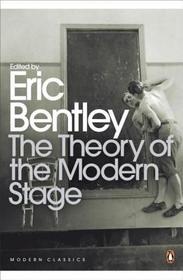
The Theory of the Modern Stage
From Artaud to Zola: an Introduction to Modern Theatre and Drama
Sorozatcím: Penguin Modern Classics;
-
20% KEDVEZMÉNY?
- Kiadói listaár GBP 16.99
-
7 670 Ft (7 305 Ft + 5% áfa)
Az ár azért becsült, mert a rendelés pillanatában nem lehet pontosan tudni, hogy a beérkezéskor milyen lesz a forint árfolyama az adott termék eredeti devizájához képest. Ha a forint romlana, kissé többet, ha javulna, kissé kevesebbet kell majd fizetnie.
- Kedvezmény(ek) 20% (cc. 1 Ft off)
- Kedvezményes ár 6 136 Ft (5 844 Ft + 5% áfa)
- A kedvezmény érvényes eddig: 2026. augusztus 31.
6 136 Ft

Beszerezhetőség
A termék régiónkban, jogi okból nem forgalmazható.
Why don't you give exact delivery time?
A beszerzés időigényét az eddigi tapasztalatokra alapozva adjuk meg. Azért becsült, mert a terméket külföldről hozzuk be, így a kiadó kiszolgálásának pillanatnyi gyorsaságától is függ. A megadottnál gyorsabb és lassabb szállítás is elképzelhető, de mindent megteszünk, hogy Ön a lehető leghamarabb jusson hozzá a termékhez.
A termék adatai:
- Kiadó Penguin Books Ltd
- Megjelenés dátuma 2008. január 31.
- Kötetek száma B-format paperback
- ISBN 9780141189185
- Kötéstípus Puhakötés
- Terjedelem512 oldal
- Méret 198x129x1 mm
- Súly 145 g
- Nyelv angol 0
Kategóriák
Hosszú leírás:
In The Theory of the Modern Stage, leading drama critic, Eric Bentley, brings together landmark writings by dramatists, directors and thinkers who have had a profound effect on the theatre since the mid nineteenth century, from Adolphe Appia to Émile Zola.
Here, Antonin Artaud sets out a manifesto for a Theatre of Cruelty, Bertolt Brecht discusses the tension between entertainment and instruction in experimental drama and Bernard Shaw defends himself as a realist, while W. B. Yeats describes the creation of a People’s Theatre. The ideas of theatre’s great makers are revealed by their best expositors, as Eric Bentley writes about Stanislavsky belief in the importance of emotional memory when creating a dramatic role and Arthur Symons considers Richard Wagner and the relationship between genius, art and nature.

